
Wildcat (European Wildcat): Complete Guide to Biology, Behavior, Conservation & Myth
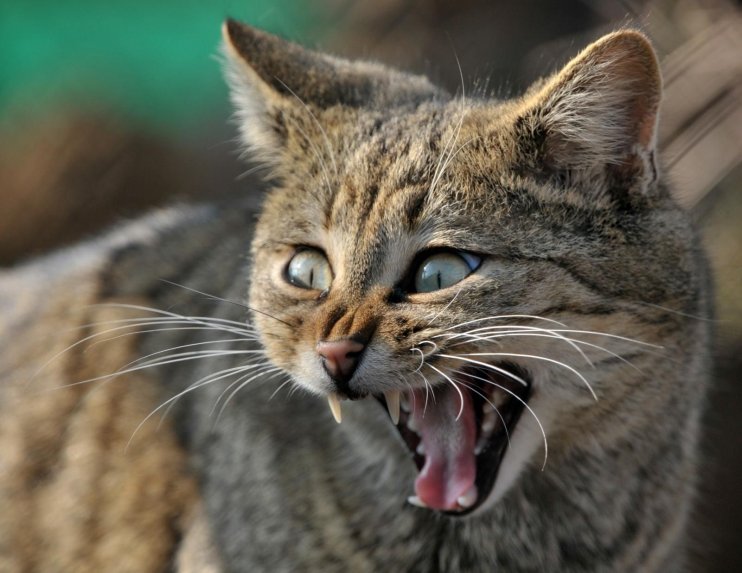
Deep in the forests of Europe, a ghost moves silently through the underbrush—not a stray, not a feral cat, but the true wild ancestor of all domestic cats: the European Wildcat (Felis silvestris silvestris). With its bushy tail marked by bold black rings, robust build, and untamable spirit, this elusive predator has roamed the continent for over 250,000 years.
Unlike the domestic cat (Felis catus), the European Wildcat has never been tamed. It avoids human contact, hunts with precision, and lives by instinct alone. Yet due to habitat loss and hybridization with feral domestic cats, it now teeters on the edge of genetic extinction in many regions.
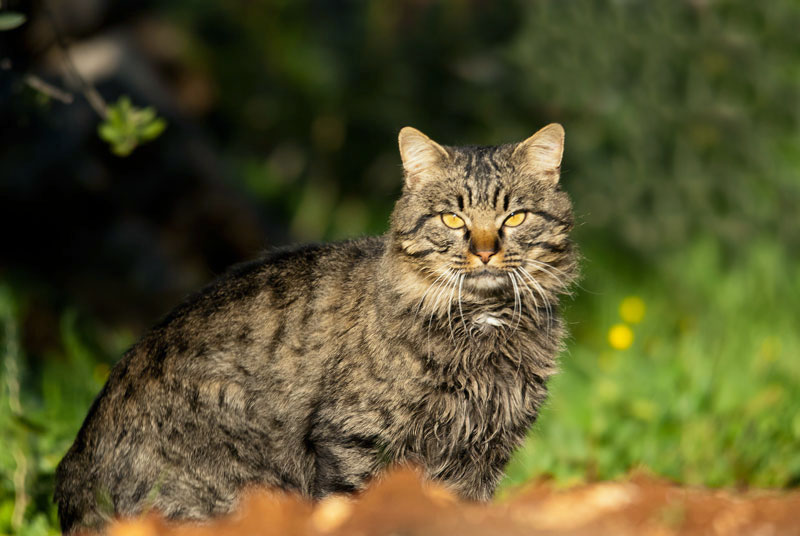
Often mistaken for large tabby strays, wildcats are protected by law across Europe and considered a keystone species in healthy ecosystems. They are not pets, not breeds, and not candidates for domestication—but they are vital to biodiversity.
In this comprehensive, scientifically grounded guide, you’ll learn everything about the European Wildcat: its evolutionary origins, physical and behavioral traits, ecological role, conservation challenges, and how to distinguish it from domestic or feral cats. We’ll also clarify common myths and explain why preserving this wild feline matters far beyond nostalgia.
All information is verified through the IUCN Red List, European Union Habitats Directive, Wildlife Conservation Research Unit (WildCRU), and peer-reviewed zoological studies.
Origin & Evolutionary History
The European Wildcat is a subspecies of the wildcat (Felis silvestris), which originated in the Middle East over 1 million years ago. As populations spread, they diverged into five subspecies:
- European Wildcat (F. s. silvestris)
- African Wildcat (F. s. lybica) — direct ancestor of the domestic cat
- Asian Wildcat (F. s. ornata)
- Southern African Wildcat (F. s. cafra)
- Central Asian Wildcat (F. s. caudata)
Domestication began ~10,000 years ago in the Fertile Crescent when African Wildcats began scavenging near human grain stores. These tameable individuals evolved into today’s house cats.
Crucially, the European Wildcat was never domesticated. It remained in forests, evolving separately—and retaining its wild instincts.
Key fact: Your house cat is descended from the African Wildcat, not the European Wildcat—though they can interbreed.
Physical Characteristics
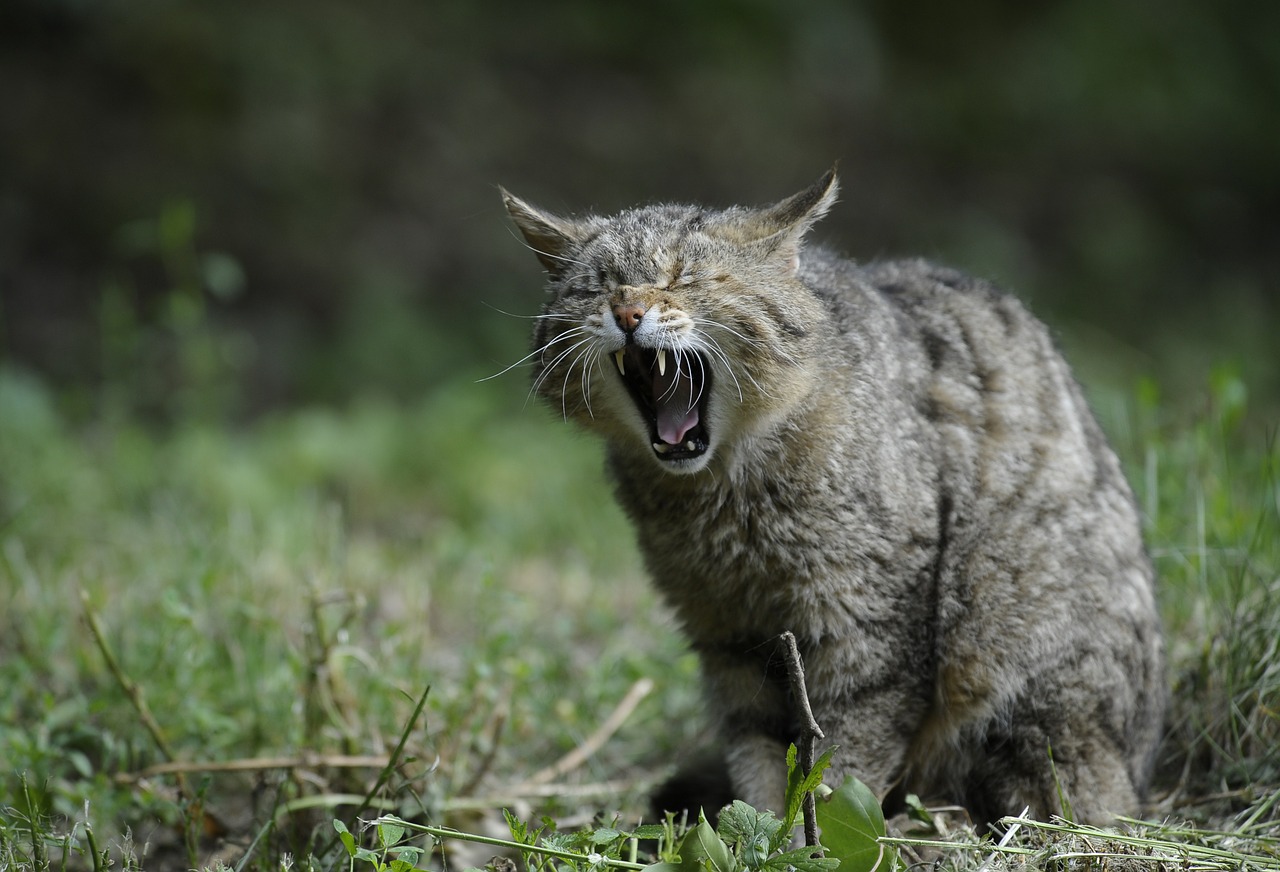
The European Wildcat is larger, stockier, and more robust than domestic cats, built for survival in harsh climates.
- Weight: 7–18 lbs (3–8 kg)—males larger than females
- Length: 20–30 inches (50–76 cm) + 12–14 inch (30–35 cm) tail
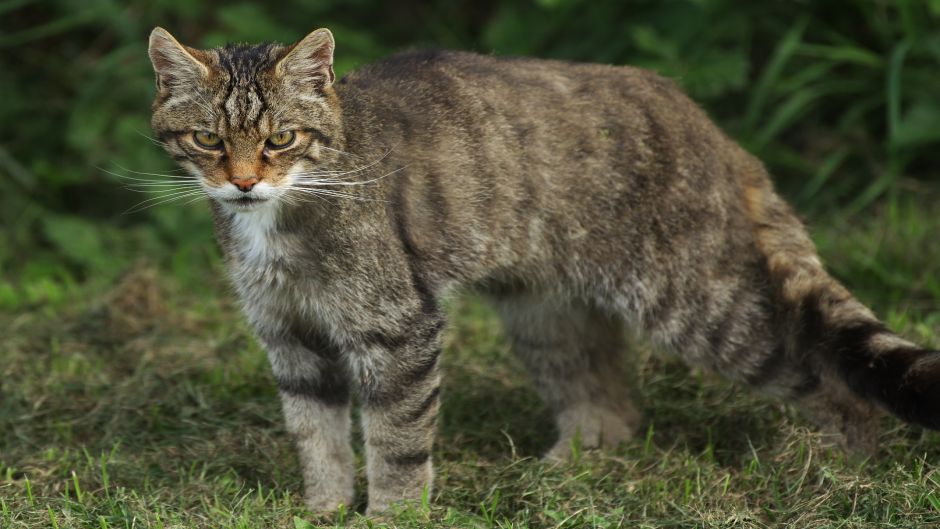
- Coat: Thick, dense, and grizzled gray-brown with distinctive tabby markings
- Tail: Bushy, blunt-tipped, with 3–5 bold black rings and a solid black tip (key identifier)
- Build: Muscular legs, broad head, and darker dorsal stripe along the spine
- Eyes: Large, forward-facing, amber or green—adapted for nocturnal hunting
Critical distinction: Unlike domestic tabbies, wildcats never have white patches, pink noses, or broken stripes. Their pattern is uniform and functional—for camouflage, not aesthetics.
Behavior & Ecology
The European Wildcat is a solitary, territorial, and strictly carnivorous predator.
- Diet: Small mammals (voles, rabbits, mice), birds, and occasionally amphibians
- Hunting: Stalks prey at dawn/dusk; kills with a precise neck bite
- Territory: Males: 1,000–2,000 acres; Females: 500–1,000 acres—marked with scent and scratch posts
- Reproduction: Breeds once yearly (Jan–Mar); 2–4 kittens born in hollow trees or rock crevices
- Lifespan: 10–15 years in wild; rarely survives past 5 in hybridized zones
It is strictly nocturnal and crepuscular, avoiding daylight and human activity. Unlike feral cats, it does not form colonies or scavenge from trash.
Myth debunked: Wildcats do not “adopt” humans or seek affection. They are fundamentally wild—even when raised from birth.
Habitat & Range
Historically widespread across Europe, the wildcat now survives in fragmented pockets:
- Strongholds: Scotland (especially Highlands), Germany (Harz Mountains), France (Pyrenees), Spain (Sierra Morena), Italy (Apennines)
- Extinct in: England, Wales, Scandinavia, and much of Central Europe
- Preferred habitat: Deciduous or mixed forests with dense understory, rocky outcrops, and minimal human disturbance
In Scotland, conservation efforts have helped populations rebound to ~300–400 individuals—making it a global stronghold.
Conservation Status & Threats
IUCN Status: Least Concern globally (Felis silvestris), but Endangered or Critically Endangered at national levels (e.g., Germany, Switzerland).
Primary Threats:
- Hybridization with feral/domestic cats:
- The #1 threat—genetic swamping dilutes pure wildcat DNA
- In some regions (e.g., Hungary), >90% of “wildcats” are hybrids
- Habitat loss: Deforestation, urbanization, and road fragmentation
- Persecution: Historically hunted as vermin; still killed accidentally in traps
- Disease: Feline leukemia (FeLV) and FIV from domestic cats
Conservation response:
- Trap-Neuter-Vaccinate-Release (TNVR) of feral cats near wildcat zones
- Genetic testing to identify pure individuals for breeding programs
- Wildlife corridors to connect fragmented populations
- Legal protection: Fully protected under EU Habitats Directive (Annex IV)
Wildcat vs. Domestic/Feral Cat: How to Tell the Difference
Feature | European Wildcat | Domestic/Feral Cat |
|---|---|---|
Tail | Bushy, black-tipped, ringed, blunt end | Thin, tapered, variable patterns |
Coat | Uniform gray-brown, no white, grizzled texture | Often white patches, bright colors, silky fur |
Nose | Brick red or dark pink | Often pale pink |
Build | Stocky, muscular, thick neck | Slender, variable body types |
Behavior | Avoids humans, no eye contact, silent | May approach, meow, or make eye contact |
Ears | Rounded, forward-facing, no white spotting | Often pointed, may have white “gloves” |
Note: Visual ID is unreliable—genetic testing is the only sure method.
Can You Own a European Wildcat?
No—and it’s illegal in most countries.
- Protected under EU law, CITES, and national wildlife acts
- Cannot be tamed, trained, or kept as a pet
- Attempts to raise wildcats in captivity usually result in chronic stress, aggression, or escape
Even accredited zoos rarely house them—they require specialized enclosures and live prey diets.
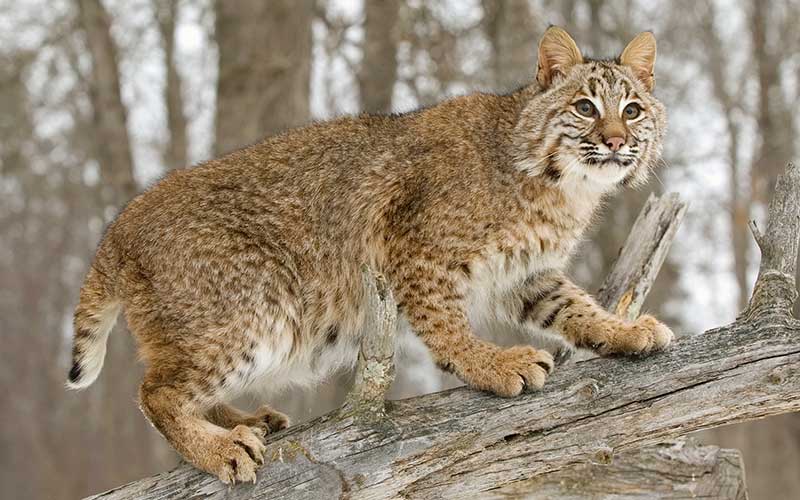
Warning: Sellers offering “European Wildcats” as pets are either selling hybrids or domestic cats misrepresented as wild.
Why Conservation Matters
The European Wildcat is more than a relic—it’s an indicator species:
- Its presence signals a healthy, connected ecosystem
- It controls rodent populations naturally
- It represents Europe’s last native feline predator
Losing it means losing a thread in the continent’s ecological fabric—and a direct link to the wild origins of all cats.

FAQs
1. Is the European Wildcat a cat breed?
No—it’s a wild species, not a domestic breed. It cannot be owned or bred like a pet.
2. Are wildcats dangerous to humans?
No—they avoid humans completely. No recorded attacks exist.
3. How is it different from a feral cat?
Feral cats are domestic cats gone wild; wildcats are a separate, untamable species with distinct genetics and behavior.
4. Can wildcats breed with house cats?
Yes—but this threatens wildcat purity and is a major conservation concern.
5. Where can I see a European Wildcat?
Rarely in the wild. Some conservation centers (e.g., Highland Wildlife Park, Scotland) have captive breeding programs.
6. Is the Scottish Wildcat a separate species?
No—it’s the British population of the European Wildcat, though critically endangered due to hybridization.
7. Do wildcats meow?
Rarely. They communicate with growls, hisses, and scent marking—not vocalizations for human attention.
8. How can I help wildcats?
- Neuter your pet cats to prevent hybridization
- Support wildlife corridors and forest conservation
- Donate to groups like Wildcat Haven (Scotland) or WWF Europe
Final Verdict: Understanding the Wildcat
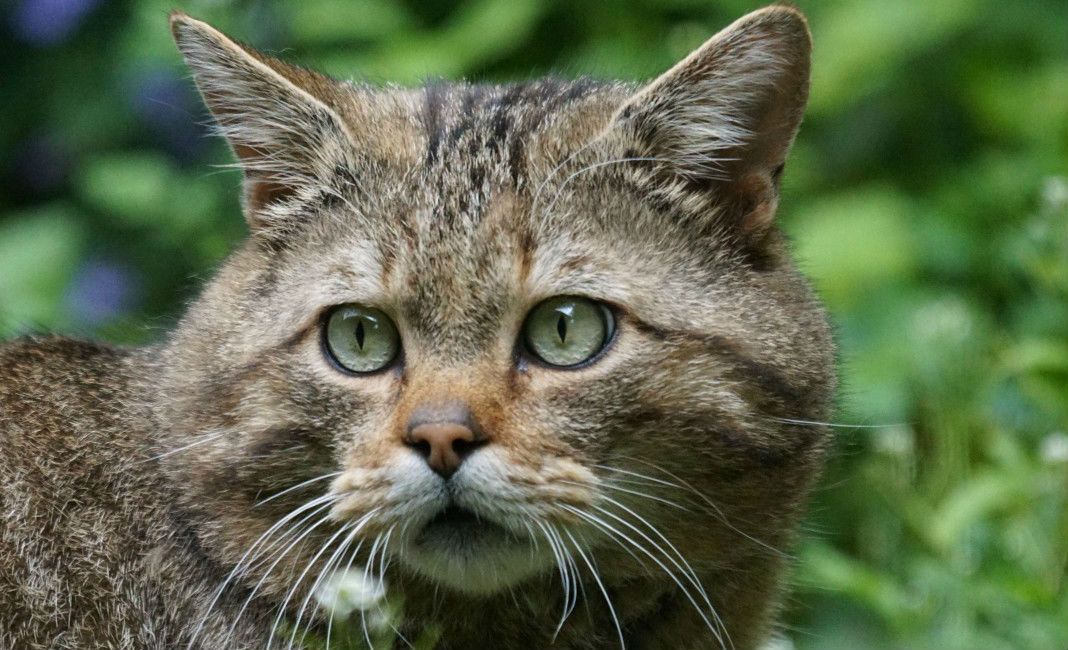
The European Wildcat is not a pet, not a breed, and not a myth—it’s a living piece of Europe’s wild heritage. While it shares a distant ancestor with your house cat, it remains fiercely independent, ecologically vital, and irreplaceable.
We don’t need to own it to value it. Its survival depends on protecting forests, controlling feral cats, and respecting its wildness.
Let it remain what it is: the silent ghost of the woods, forever free.