
Chausie: Complete Guide to Temperament, Health, Care & History
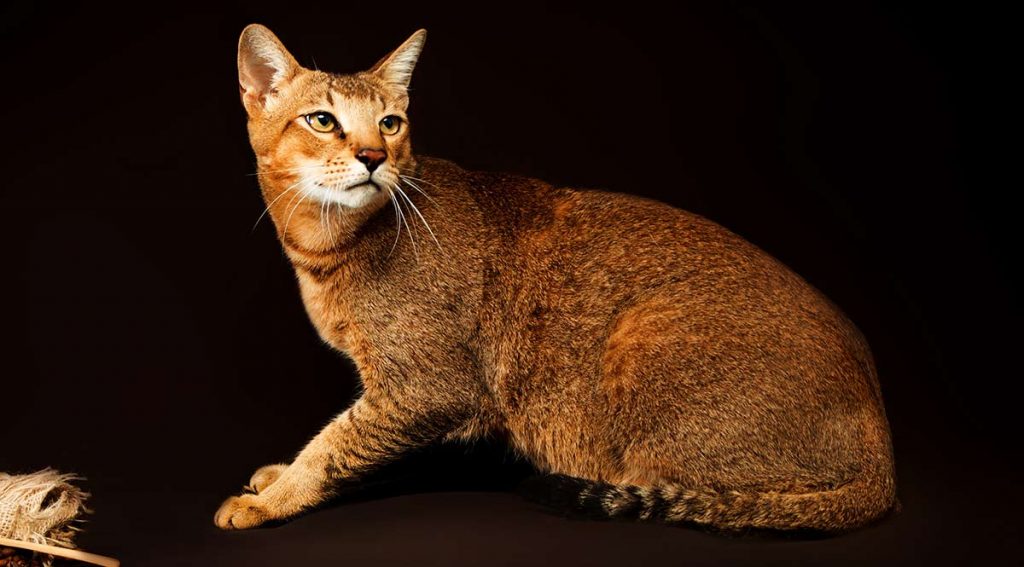
Imagine a house cat with the grace of a jungle hunter—long legs, alert ears, and eyes that gleam with intelligence. That’s the Chausie, a large, hybrid-origin domestic cat bred from crossings between the domestic shorthair and the jungle cat (Felis chaus) of Southeast Asia. Recognized for its wild appearance but domestic temperament, the Chausie is not a wild animal—but a fully social, energetic companion for active households.
Developed in the U.S. and Europe in the 1990s, the Chausie remains rare, with fewer than 200 registered annually worldwide. Yet its striking silhouette—reminiscent of a miniature serval or lynx—makes it a favorite among enthusiasts of exotic-looking, high-energy cats.
In this comprehensive guide, you’ll learn everything about the Chausie: its hybrid origins, physical traits, temperament, health considerations, care requirements, and whether your lifestyle aligns with this dynamic feline. We’ll also compare it to similar breeds like the Bengal, Savannah, and Oriental Shorthair to clarify its unique place among domestic cats.
All information is verified through the International Cat Association (TICA), Cat Fanciers’ Association (CFA), veterinary research, and experienced Chausie breeders.
Origin & History

The Chausie’s story begins with the jungle cat (Felis chaus), a medium-sized wild feline native to Egypt, India, Southeast Asia, and the Middle East. Historically, jungle cats were even mummified alongside pharaohs, suggesting ancient human admiration.
Modern Chausies were intentionally developed in the 1990s by U.S. and European breeders who crossed jungle cats with domestic breeds like Abyssinians and Oriental Shorthairs to create a cat with wild aesthetics but domestic behavior. After four generations (F4 and beyond), Chausies are fully domesticated and safe as household pets—no special permits required in most countries.
TICA granted the Chausie Championship status in 2013, recognizing it as a standardized domestic breed. However, early-generation hybrids (F1–F3) are not recommended as pets due to potential wild behaviors and legal restrictions.
Key fact: Only F4 and later generations are considered true Chausie breed cats—calm, social, and fully domestic.
Physical Characteristics
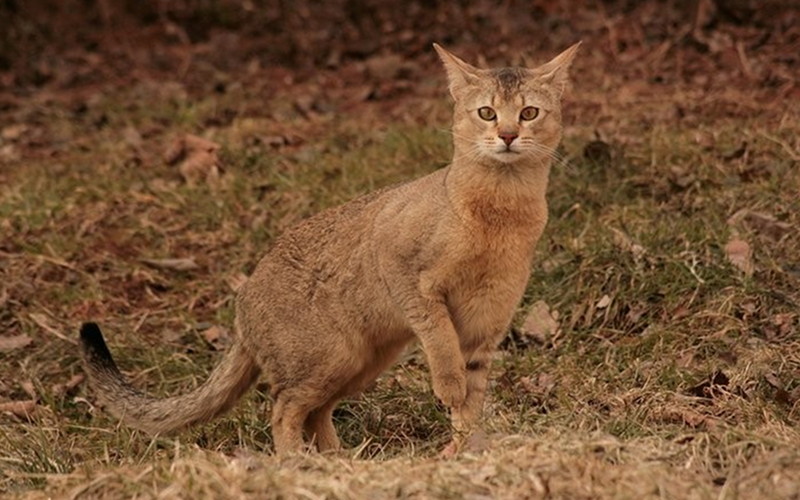
The Chausie is a large, lean, and athletic cat built for speed and agility—more gazelle than couch potato.
- Weight:
- Males: 15–25 lbs (7–11 kg)
- Females: 10–18 lbs (4.5–8 kg)
(Among the largest domestic cat breeds)
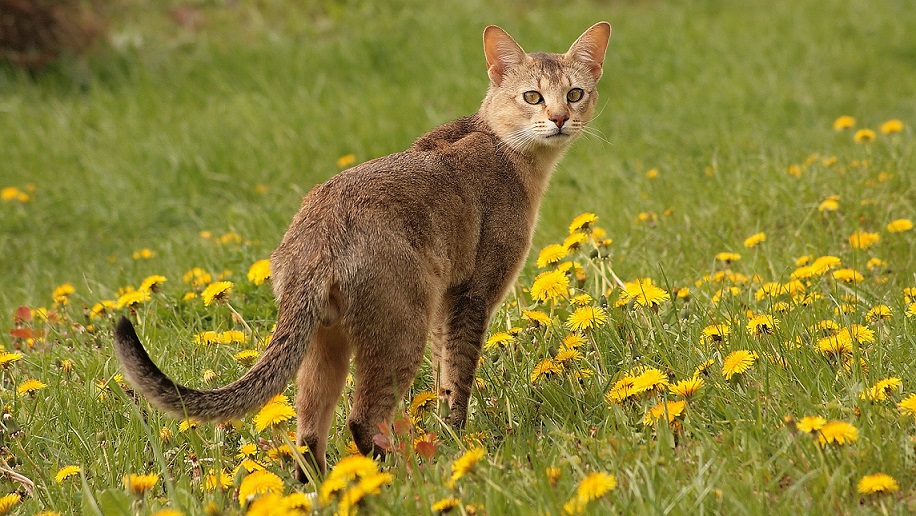
- Body: Long, slender, and muscular with a deep chest, long legs (hind legs slightly longer), and a medium-length tail
- Head: Wedge-shaped with prominent cheekbones, almond-shaped eyes, and large, upright ears (often with lynx-like tufts)
- Eyes: Gold, green, or yellow—never blue
- Coat: Short, dense, and close-lying; two main patterns:
- Solid black (most common and preferred in shows)
- Brown-ticked tabby (agouti hairs with alternating bands, resembling wild jungle cats)
- Note: Spotted or marbled coats are not breed-standard
- Build: Appears graceful yet powerful—capable of leaping 6+ feet vertically
Comparison: Larger and more angular than the Bengal, and more domestic than the Savannah (which is derived from servals). Shares the Oriental Shorthair’s sleekness but with greater mass and wilder expression.
Temperament & Personality
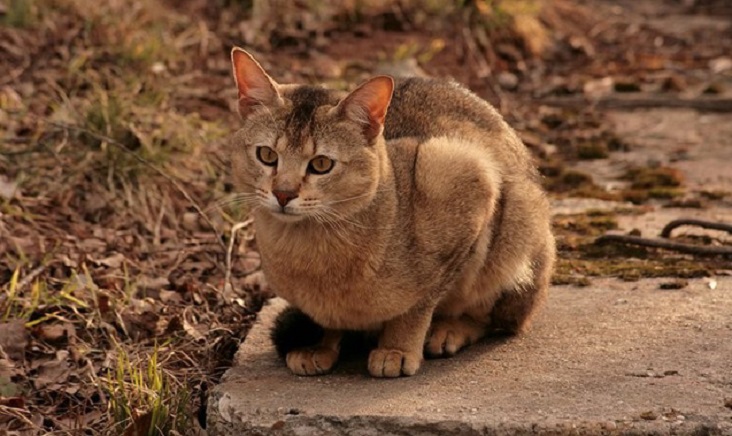
The Chausie is intelligent, active, and deeply bonded to its family—but not a lap cat in the traditional sense. It thrives on interaction, play, and mental challenges.
- Energy level: Very high—requires daily interactive play
- Affection: Loyal and people-oriented, but on its own terms; may follow owners room to room
- Intelligence: Exceptional—learns tricks, opens doors, and solves puzzle toys
- Vocalization: Moderate; uses chirps, trills, and soft meows—not loud or demanding
- Social needs: Forms strong bonds; may suffer from loneliness if left alone for long hours
Unlike the more independent Bengal, the Chausie often seeks collaborative play and responds well to leash training or clicker training. It’s also less prone to mischief than early-generation hybrids.
Important: Chausies do not do well in sedentary, isolated households. They need engagement, space, and companionship.
Care Requirements
Exercise & Enrichment
The Chausie needs 30–60 minutes of active play daily:
- Wand toys, fetch, laser pointers (always end with a physical toy)
- Cat trees, shelves, and climbing walls
- Leash walks (many Chausies enjoy supervised outdoor exploration)
- Puzzle feeders and foraging toys to stimulate hunting instincts
Without stimulation, it may develop destructive behaviors (e.g., counter surfing, door opening).
Grooming
- Low maintenance: Weekly brushing suffices
- Occasional nail trims and ear checks
- Dental care recommended (prone to gingivitis like many short-haired cats)
Diet
High-protein, grain-free or limited-carb diet mimicking natural prey. Many breeders recommend raw or high-meat wet food to support muscle and coat health. Avoid fillers like corn or soy.
Environment
Best suited to homes with vertical space, safe windows, and interactive humans. Not ideal for:
- Small apartments without enrichment
- Households away most of the day
- Homes with fragile decor (they jump and explore everything)
Comparison: Like the Savannah, the Chausie needs room to move—but it’s more predictable and less demanding than F1–F3 generations of either breed.
Health & Lifespan
Average lifespan: 12–16 years (TICA, breeder surveys)
As a relatively new breed, the Chausie benefits from hybrid vigor, but some health concerns are emerging.
Condition | Description | Prevalence in Chausie | Symptoms / Notes |
|---|---|---|---|
Chronic Enteropathy (CE) | Inflammatory bowel disease linked to grain-heavy diets | Moderate risk (documented in multiple lines) | Vomiting, diarrhea, weight loss; often resolves with grain-free/raw diet |
Dental Disease | Gingivitis and periodontal issues | Common (as in many shorthairs) | Bad breath, drooling; prevent with dental chews or brushing |
Hypertrophic Cardiomyopathy (HCM) | Thickened heart muscle | Low but present (screen via echocardiogram) | Lethargy, breathing difficulty; annual screening recommended after age 2 |
Food Sensitivities | Reactions to grains or fillers | Frequent anecdotal reports | GI upset, skin issues; resolve with species-appropriate diet |
Note: Reliable large-scale genetic studies on Chausies are limited, but responsible breeders screen for HCM and avoid early-generation pairings.
Chausies from F4+ generations show no increased aggression or health risks compared to other domestic cats.
Training & Socialization
Chausies are highly trainable due to their intelligence and desire to engage.
- Start socialization early (3–14 weeks): expose to people, sounds, carriers, and handling
- Use clicker training for tricks, recall, or leash walking
- Provide consistent routines—they thrive on predictability
- Introduce other pets slowly; most get along with cat-friendly dogs or felines
They respond poorly to punishment—positive reinforcement only.
Suitability: Ideal Owner Profile
The Chausie thrives with:
- Active, cat-experienced owners who enjoy interactive play
- Families home frequently or with another companion cat
- Homes with vertical space, toys, and safe exploration zones
- Owners committed to high-quality diet and vet care
Not recommended for:
- First-time cat owners unprepared for high energy
- Sedentary or frequently absent households
- People seeking a quiet, low-maintenance lap cat
- Homes with strict “no climbing” rules
Perfect for: Athletic owners, hybrid cat enthusiasts, or those wanting wild beauty without wild behavior.
Costs & Commitment
- Adoption: Extremely rare; few rescues specialize in Chausies ($300–$800 if available)
- Reputable breeder: $1,500–$3,000+ (F4+ generation, health-tested)
- Monthly expenses: $60–$120 (premium food, toys, preventatives)
- Special costs: Cat trees, vet screening for HCM, outdoor enclosures (catios)
Lifetime cost estimate: $12,000–$18,000 over 14 years
Ethical Adoption vs. Breeder Guidance
Due to its hybrid origin, ethical breeding is critical. Choose breeders who:
- Only sell F4 or later generations
- Provide HCM screening and health guarantees
- Raise kittens in-home with early socialization
- Are members of TICA-registered catteries
Avoid breeders selling “wild jungle cats” or F1–F3 cats as pets—these often suffer behaviorally and may be illegal.
FAQs
1. Is the Chausie a large cat?
Yes—the Chausie is a large domestic cat, with males reaching 15–25 lbs.
2. Are Chausies aggressive?
No—F4+ Chausies are fully domestic, friendly, and social.
3. Do Chausies get along with dogs?
Yes—with proper introduction and cat-friendly dogs.
4. Chausie vs. Bengal: which is better?
Bengals are more patterned and slightly less intense; Chausies are larger, more angular, and more dog-like in play.
5. How rare is the Chausie?
Very rare—fewer than 200 registered globally per year.
6. Are Chausies hypoallergenic?
No—but their short coat may produce fewer allergens than longhairs (not guaranteed).
7. Can Chausies go outside?
Only in secure enclosures or on a leash—they’re strong, fast, and curious.
8. Do Chausies like water?
Many do—some enjoy playing in sinks or shallow water (like their jungle cat ancestors).
Final Verdict: Is the Chausie Right for You?
Yes, if…
- You want a large, intelligent, active companion with wild beauty
- You can provide daily play, mental challenges, and companionship
- You’re experienced with high-energy cats or hybrids
- You appreciate grace, loyalty, and feline athleticism
No, if…
- You prefer a calm, low-energy lap cat
- You’re often away from home
- You’re a first-time owner unprepared for intense engagement
- You can’t afford premium food or vet screening
The Chausie isn’t just a pet—it’s a dynamic, thinking cat for active homes, blending jungle elegance with domestic devotion.