
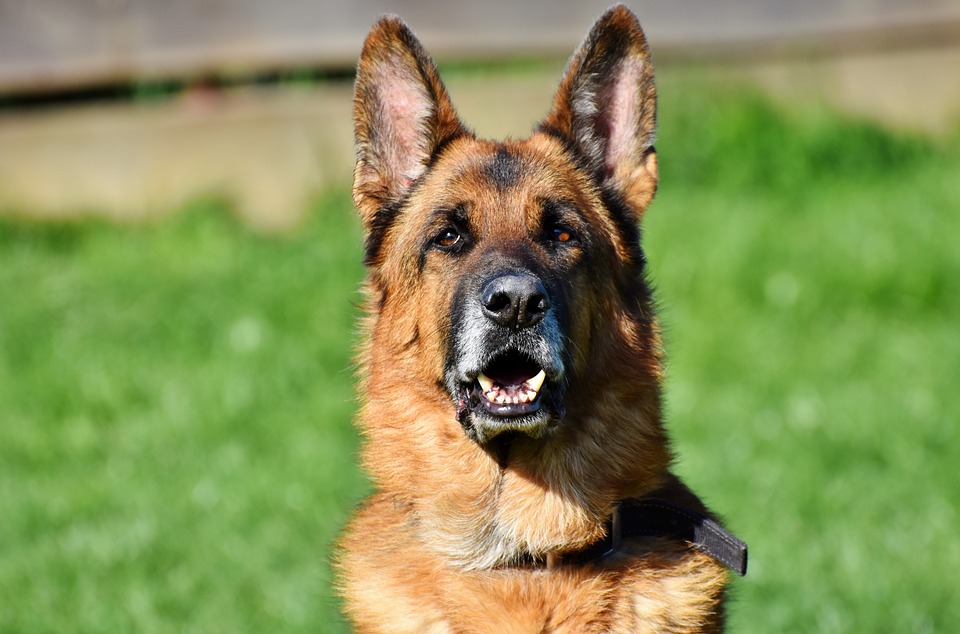
German Shepherd: Complete Guide to Temperament, Health, Care & History
Few dogs command universal respect like the German Shepherd. Revered as police K-9s, military heroes, search-and-rescue legends, and devoted family guardians, this large, athletic breed embodies loyalty, courage, and intelligence. Originally bred to herd sheep in 19th-century Germany, the German Shepherd has evolved into one of the world’s most trusted working and companion dogs—with over 40,000 annual registrations in the U.S. alone (AKC).
Yet behind its iconic silhouette lies a complex breed with specific needs. Without proper training, socialization, and purpose, even the most well-intentioned German Shepherd can develop behavioral or health issues.
In this comprehensive, rigorously researched guide, you’ll learn everything you need to know: the breed’s historical origins, physical and temperamental traits, common health conditions, exercise and grooming requirements, and whether your lifestyle aligns with this noble dog. We’ll also compare it to similar breeds like the Belgian Malinois, Dutch Shepherd, and Beauceron to clarify its unique strengths and challenges.
All data is verified through the American Kennel Club (AKC), Orthopedic Foundation for Animals (OFA), Fédération Cynologique Internationale (FCI), and veterinary research.
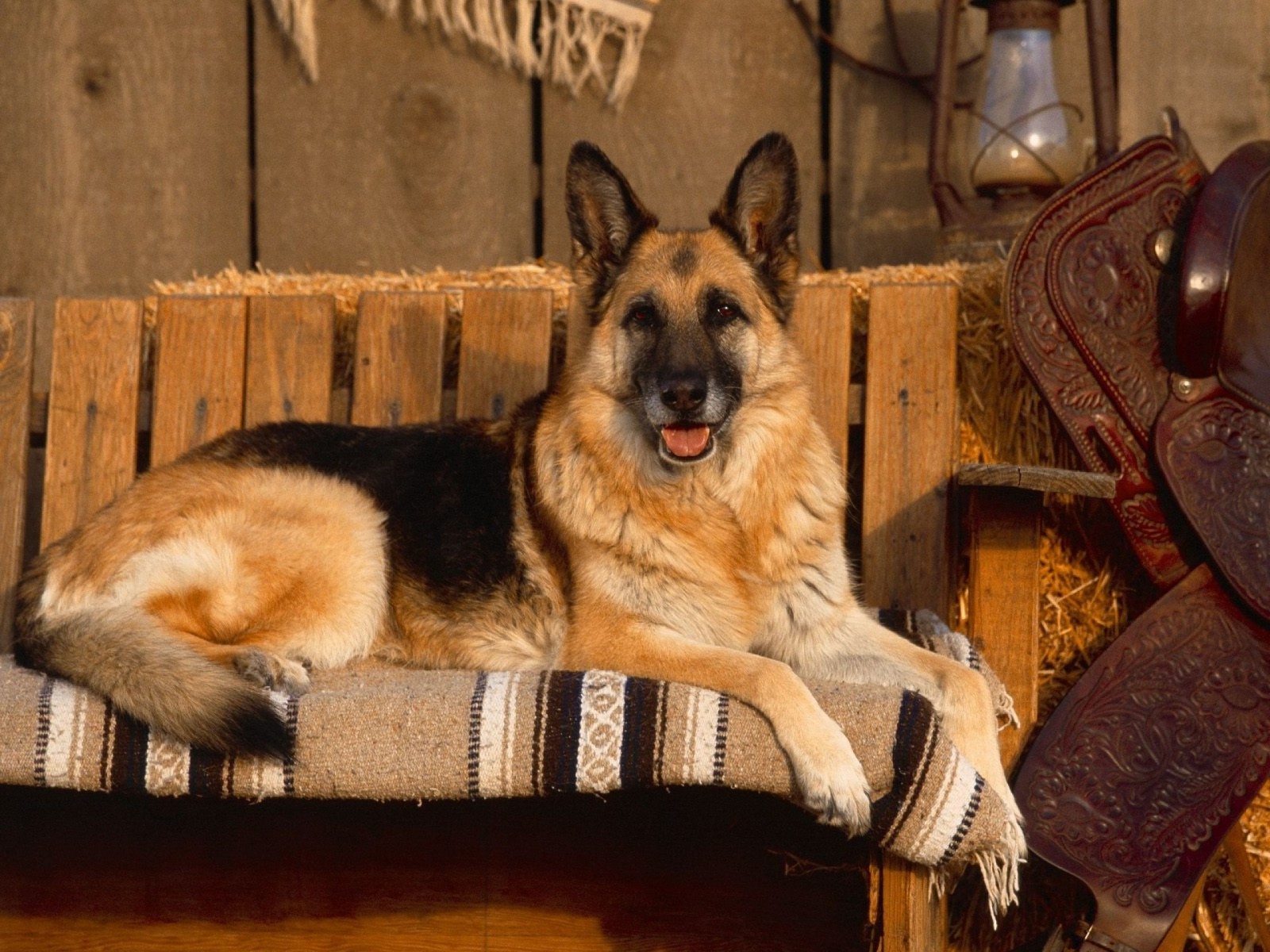
Origin & History
The German Shepherd was developed in 1899 by Captain Max von Stephanitz, a former cavalry officer who sought to create the ultimate herding and working dog in a rapidly industrializing Germany. His foundation sire, Horand von Grafrath, became the blueprint for the breed—prized for intelligence, trainability, and nerve stability.
Unlike breeds shaped by aesthetics, the German Shepherd was bred for function: tracking, guarding, herding, and obedience. Its reputation soared during World War I and II, where it served as a messenger, sentry, and Red Cross dog—though anti-German sentiment briefly led to name changes (e.g., “Alsatian” in the UK).
Today, multiple breed lines exist:
- Show lines (AKC/FCI): Sloped topline, heavier coat
- Working lines (SV, DDR, West German): Straighter back, higher drive, leaner build
Key fact: The Beauceron and Dutch Shepherd share herding roots, but the German Shepherd is more globally standardized and versatile in modern roles.
Physical Characteristics
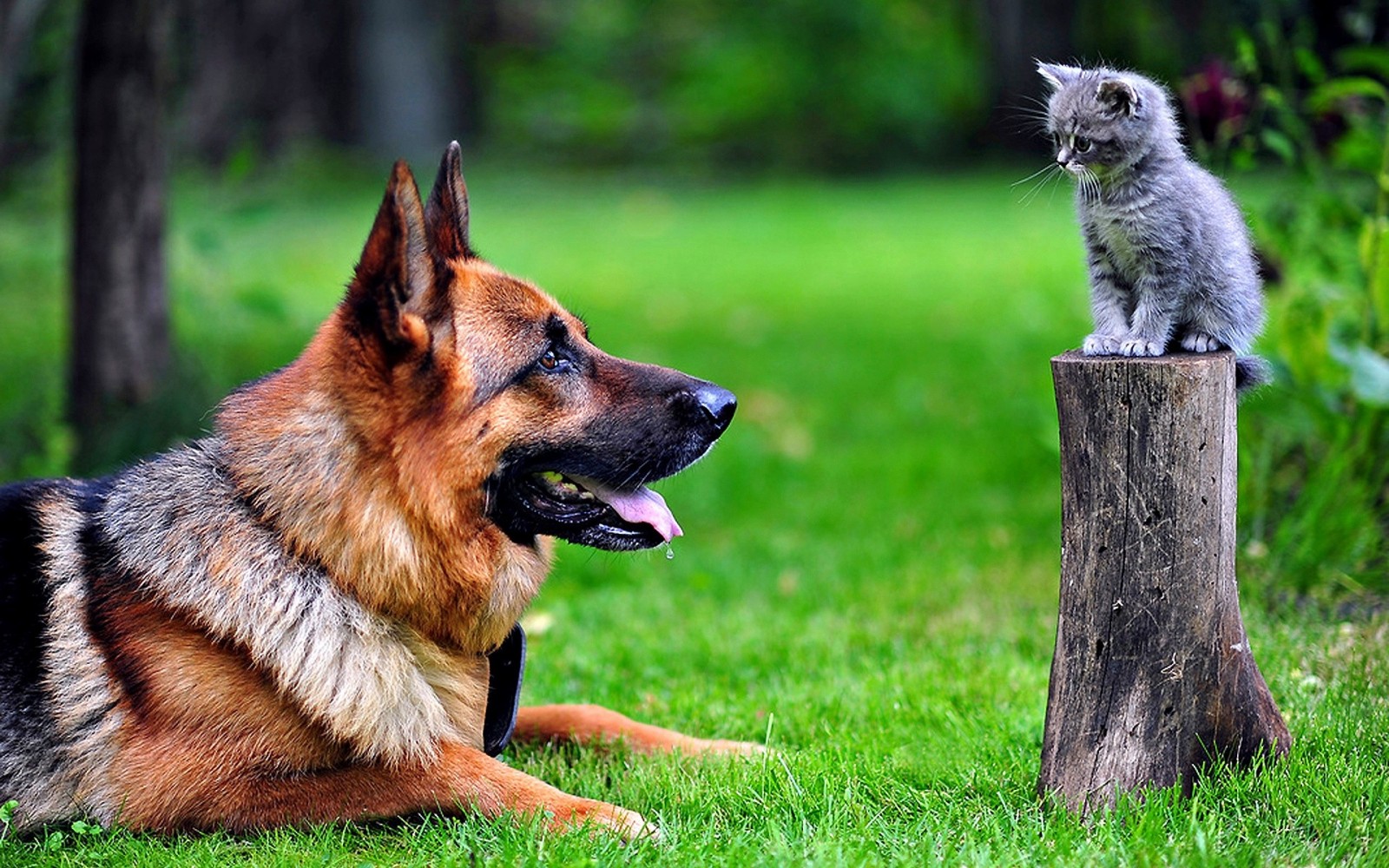
The German Shepherd is a large, muscular, and agile dog built for endurance and power.
- Height:
- Males: 24–26 inches (61–66 cm)
- Females: 22–24 inches (56–61 cm)
(Per AKC standard)
- Weight:
- Males: 65–90 lbs (29–41 kg)
- Females: 50–70 lbs (23–32 kg)
- Coat: Two varieties:
- Medium (standard): Dense, straight or slightly wavy
- Long: Less common; not accepted in some show rings
- Colors: Black and tan (most common), sable, solid black, black and red, black and cream. Note: White is disqualified in AKC/FCI but recognized as a separate breed (White Swiss Shepherd) in FCI.
- Build: Strong neck, deep chest, slightly sloping topline (in show lines), and a bushy tail carried low
- Eyes: Medium-sized, almond-shaped, dark brown—never light or yellow
- Gait: Smooth, effortless, and ground-covering—“flying trot” is breed hallmark
Comparison: The Belgian Malinois is smaller, lighter, and more intense; the Dutch Shepherd is similar but rarer and always brindle.
Temperament & Personality
The German Shepherd is confident, courageous, and deeply loyal—but not inherently aggressive. When properly bred and raised, it is calm, discerning, and protective without hostility.

- Intelligence: Ranked #3 in Stanley Coren’s The Intelligence of Dogs—learns new commands in <5 repetitions
- Loyalty: Forms intense bonds with family; often shadows one primary person
- Guarding instinct: Naturally watchful; will alert to threats but should not be fear-aggressive
- Trainability: Highly biddable—thrives on structure, praise, and clear leadership
- Stability: Needs early socialization to prevent shyness or overprotectiveness
Unlike the Belgian Malinois (which is relentless in drive), the German Shepherd has greater emotional balance, making it better suited to family life—though working lines still demand high engagement.
Important: Poor breeding or socialization can lead to nervousness, reactivity, or hip-driven aggression—choose ethically.
Care Requirements
Exercise
German Shepherds need 60–120 minutes of daily physical and mental exercise. This includes:
- Brisk walks or jogs
- Off-leash play (in secure areas)
- Training sessions (obedience, nose work, agility)
- Purpose-driven activities (herding, protection sports, service tasks)
Without stimulation, they may develop destructive chewing, barking, or anxiety.
Grooming
- Heavy shedder year-round; “blows coat” twice a year
- Brush 3–4 times weekly (daily during shedding season)
- Bathe only as needed—over-bathing strips natural oils
- Clean ears weekly; trim nails regularly
Diet
High-quality, protein-rich food with joint support (glucosamine, chondroitin). Avoid grain-free diets unless medically necessary (linked to DCM in some studies). Monitor weight—obesity worsens joint issues.
Environment
Adaptable to suburban or rural homes; less ideal for small apartments unless heavily exercised. Tolerates cold well; provide shade and water in heat.
Comparison: Like the Beauceron, the German Shepherd needs a job—but it’s more adaptable to urban settings with proper training.
Health & Lifespan
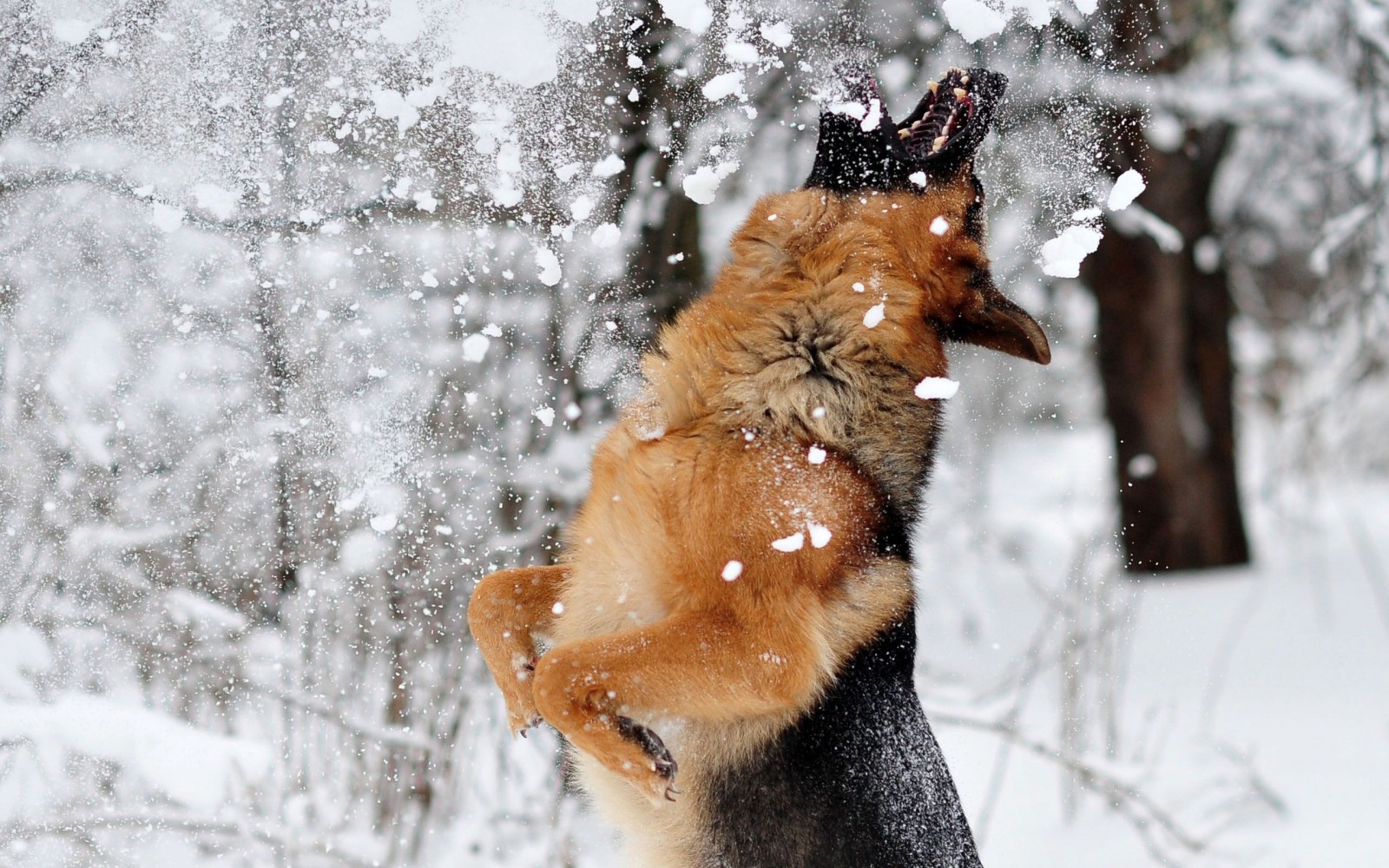
Average lifespan: 9–13 years (working lines often live longer than show lines)
Despite its popularity, the German Shepherd faces several inherited health challenges.
Condition | Description | Prevalence in German Shepherd | Symptoms / Notes |
|---|---|---|---|
Malformed hip joint | High risk (OFA: ~19% affected) | Lameness, bunny-hopping gait; screen breeding stock | |
Degenerative Myelopathy (DM) | Progressive spinal cord disease | Moderate to high (DNA test available) | Hind-leg weakness, paralysis; no cure—avoid breeding carriers |
Joint malformation | Common (~15% OFA data) | Front-leg lameness; often paired with hip issues | |
Twisted stomach | High risk (deep-chested giant) | Retching, distended abdomen—life-threatening emergency | |
Exocrine Pancreatic Insufficiency (EPI) | Inability to digest food | Rare but breed-specific | Weight loss despite appetite; managed with enzyme supplements |
Allergies & Skin Issues | Environmental or food-related | Very common | Itching, ear infections, hot spots |
OFA data confirms German Shepherds are among the top breeds for hip/elbow dysplasia—making ethical breeding critical.
Reliable data on cardiac issues is limited, though DCM has been reported in some lines.
Training & Socialization
German Shepherds are eager to learn but need firm, consistent leadership. They respond best to positive reinforcement with clear boundaries.
- Start socialization before 14 weeks: expose to people, dogs, sounds, and surfaces
- Enroll in puppy kindergarten and obedience classes
- Use high-value rewards (chicken, cheese) for complex tasks
- Avoid harsh corrections—this breed is sensitive to tone and fairness
Compared to the Belgian Malinois, the German Shepherd is less intense and more forgiving, making it a better choice for experienced but non-professional handlers.

Feeding German Shepherds: Puppy, Adult, and Senior Diets
Proper nutrition is vital for the health and development of German Shepherds at every stage of life.
- Puppies: German Shepherd puppies require a diet rich in protein and fat to support their rapid growth and energy needs. High-quality puppy food that meets their nutritional requirements is essential. Look for formulas with real meat as the first ingredient and avoid fillers like corn and soy.
- Adults: Adult German Shepherds benefit from a balanced diet that provides the right amount of protein, fat, and carbohydrates. It’s important to monitor their weight and adjust their food intake based on their activity level to prevent obesity. High-quality dry kibble, supplemented with lean meats, vegetables, and grains, can ensure they get the nutrients they need.
- Seniors: Senior German Shepherds may require a diet lower in calories but still rich in nutrients to support their aging bodies. Foods formulated for senior dogs often contain joint supplements like glucosamine and chondroitin to help maintain mobility. Additionally, easily digestible proteins and fibers can promote healthy digestion.
Suitability: Ideal Owner Profile
The German Shepherd thrives with:
- Active, confident owners who understand dog psychology
- Families with older children (supervise due to size)
- Access to training, exercise, and mental challenges
- Owners committed to lifelong socialization and vet care
Not recommended for:
- First-time owners unprepared for its needs
- Sedentary households or small apartments without exercise plans
- Homes seeking a low-shedding or low-maintenance dog
Perfect for: Service dog candidates, sport enthusiasts, or families wanting a protective, intelligent companion.
Costs & Commitment
- Adoption: Common via breed rescues ($300–$800)
- Reputable breeder: $1,500–$3,500 (health-tested, with temperament evaluation)
- Monthly expenses: $100–$180 (large-dog food, grooming, preventatives)
- Special costs: Training classes, joint supplements, orthopedic beds, bloat-prevention bowls
Lifetime cost estimate: $25,000–$38,000 over 11 years
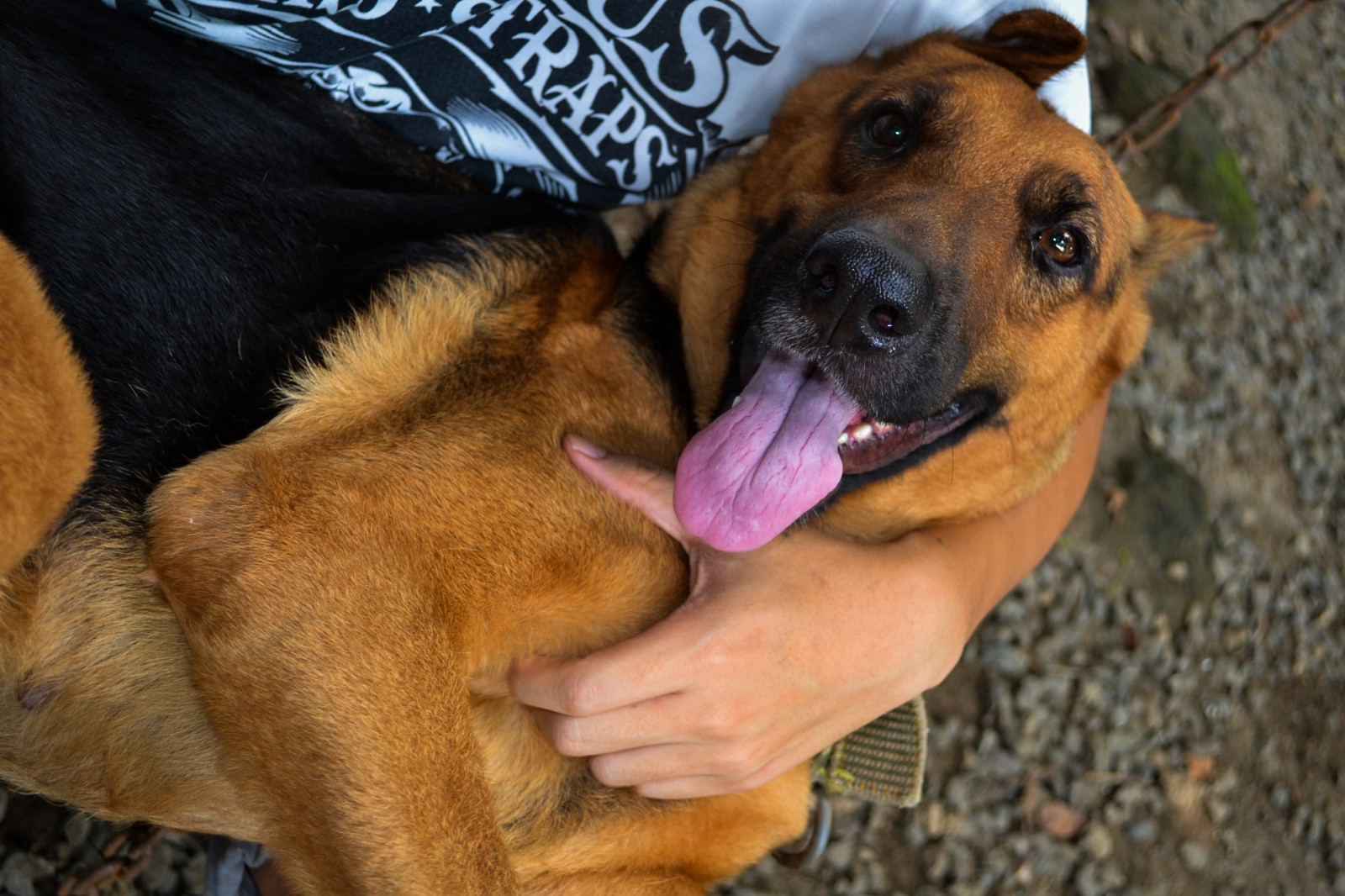
Ethical Adoption vs. Breeder Guidance
Adoption is highly encouraged—many German Shepherds end up in rescues due to owner unpreparedness.
If buying from a breeder:
- Demand OFA hip/elbow, DM DNA, cardiac, and eye clearances
- Meet both parents (assess temperament)
- Avoid “rare color” breeders (e.g., blue, liver—often linked to health defects)
- Choose breeders affiliated with the German Shepherd Dog Club of America (GSDCA)
Never buy from pet stores or online marketplaces—these often source from puppy mills with poor genetics.
FAQs
1. Is the German Shepherd a large dog?
Yes—the German Shepherd is a large breed, typically 22–26 inches tall and 50–90 lbs.
2. Are German Shepherds good with kids?
Yes—with proper socialization and supervision. Their size requires caution with toddlers.
3. Do German Shepherds shed a lot?
Yes—heavily year-round, with seasonal “blowing” of undercoat.
4. How smart is a German Shepherd?
Extremely—they rank among the top 3 most intelligent dog breeds.
5. German Shepherd vs. Belgian Malinois: which is better?
Malinois are smaller, higher-drive, and better for elite handlers; GSDs are more balanced for family or service roles.
6. Are German Shepherds aggressive?
Not when properly bred and socialized. Fear-based aggression stems from poor lines or handling.
7. How much exercise does a German Shepherd need?
At least 1–2 hours daily of physical + mental activity.
8. What’s the #1 health problem in German Shepherds?
Hip dysplasia—but DM, bloat, and allergies are also major concerns.
Final Verdict: Is the German Shepherd Right for You?
Yes, if…
- You’re an active, committed owner seeking a large, intelligent, versatile companion
- You can provide daily training, exercise, and socialization
- You value loyalty, protection, and working ability
- You’re prepared for shedding, vet costs, and lifelong responsibility
No, if…
- You want a low-maintenance or casual pet
- You can’t commit to training or mental stimulation
- You live in a small space without exercise access
- You’re unprepared for potential health issues
The German Shepherd isn’t just a dog—it’s a partner, protector, and pillar of purpose for those who earn its trust.