
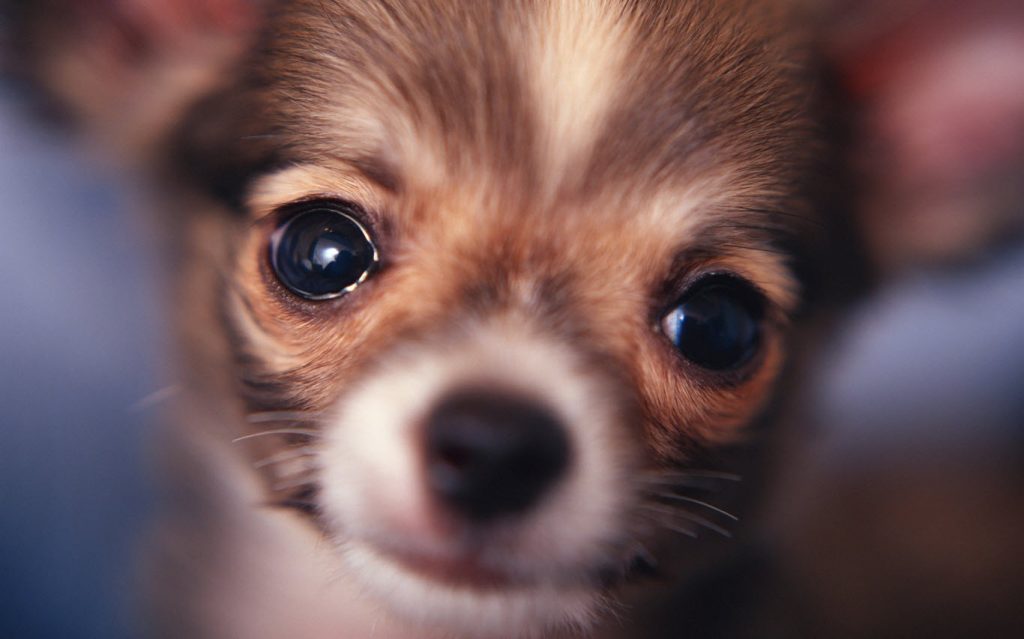
How Chihuahuas Are Being Used in Urban Therapy Programs – and Why Their Fearless Presence Is Helping Reduce Anxiety in Crowded City Environments
In the bustling subways of Tokyo, the packed sidewalks of New York, and the noisy clinics of London, an unlikely therapist is making waves: the Chihuahua. With its portable size, alert expression, and unwavering confidence, this tiny dog is proving uniquely effective in urban anxiety reduction programs—especially for people overwhelmed by crowds, noise, or sensory overload.
Unlike larger therapy dogs that can add to spatial stress, the Chihuahua fits comfortably in a bag, on a lap, or at a desk—offering calm companionship without physical intrusion. Its steady gaze and rhythmic breathing act as a grounding anchor, while its fearless demeanor subtly signals safety in chaotic environments.
The Science of Small Courage
Dr. Elena Ruiz, a clinical psychologist in Chicago, explains:
“People assume small dogs are fragile—but the Chihuahua’s boldness is contagious. When it sits calmly in a subway car, clients think, ‘If this tiny dog isn’t scared, maybe I don’t need to be either.’”
Programs like “Metro Mutt” and “Pocket Calm” now train Chihuahuas for:
- Public transit support: Reducing panic during commutes
- Office anxiety: Providing silent presence during high-stress workdays
- Crowd desensitization: Helping agoraphobia patients re-engage with public spaces
Why Chihuahuas Excel
Their low exercise needs make them ideal for urban living. Their long lifespan ensures consistent therapeutic relationships. And their expressive faces trigger oxytocin release more effectively than passive pets.
One college student in Seoul put it simply:
“My Chihuahua doesn’t fix my anxiety. He just sits with me in it. And somehow, that’s enough.”
In a world growing louder and more crowded, the Chihuahua proves that sometimes, the smallest companions offer the biggest sense of safety.