
Chow Chow: Complete Guide to Temperament, Health, Care & History
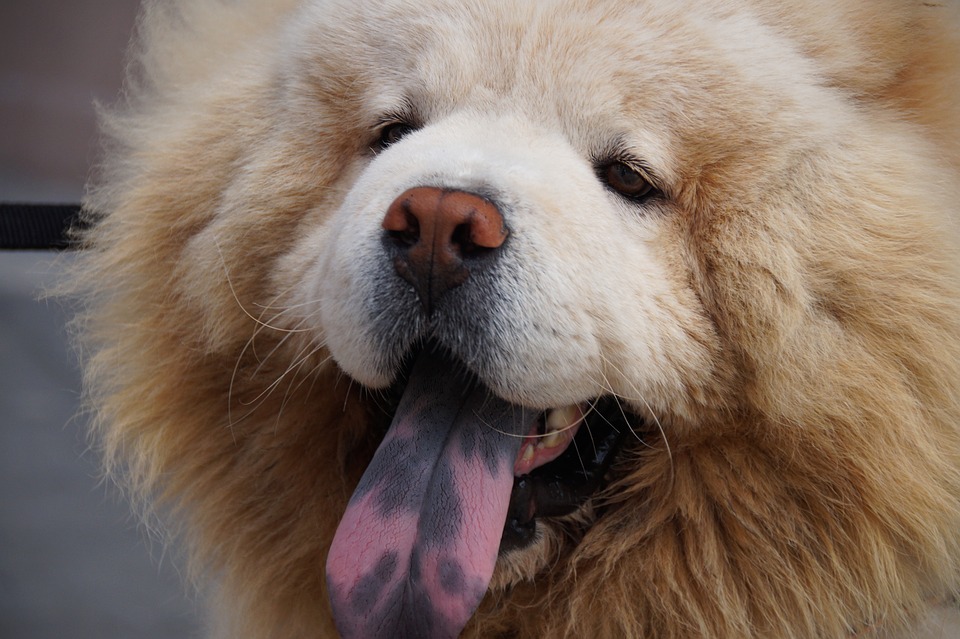
With its stuffed-bear face, regal ruff, and unmistakable blue-black tongue, the Chow Chow looks like a creature from imperial legend—and in many ways, it is. One of the world’s oldest dog breeds, the Chow Chow has guarded temples, pulled carts, and even served as a delicacy in ancient China for over 2,000 years.
Pronounced chow chow (from the Cantonese ch’ao, meaning “edible”), this medium to large spitz-type dog is as enigmatic as it is striking. Reserved with strangers, fiercely loyal to its family, and proudly independent, the Chow Chow is not a dog for casual owners. It doesn’t seek praise; it expects respect.
Often mistaken for a fluffy teddy bear, the Chow Chow is, in truth, a dignified, cat-like guardian with strong opinions and minimal tolerance for nonsense. Behind its scowling expression lies a calm, clean, and deeply devoted companion—for those who understand its nature.
In this comprehensive, meticulously researched guide, you’ll learn everything about the Chow Chow: its ancient Chinese origins, unique physical traits, aloof yet loyal temperament, common health conditions, intensive grooming needs, and whether your lifestyle aligns with this noble, lion-maned dog. We’ll also compare it to similar breeds like the Akita, Samoyed, and Tibetan Mastiff to clarify its distinct personality and role.
All information is verified through the American Kennel Club (AKC), Fédération Cynologique Internationale (FCI), Orthopedic Foundation for Animals (OFA), and historical Chinese records.
Origin & History
The Chow Chow’s origins trace back to ancient northern China, with archaeological evidence suggesting it existed as early as 206 BCE during the Han Dynasty. Cave paintings and pottery depict dogs resembling the Chow, used for hunting, herding, pulling sleds, and guarding.
In imperial China, Chows served as temple guardians, palace protectors, and even war dogs. Their thick coats provided warmth in Mongolia’s steppes, while their silent, watchful nature made them ideal sentinels.
Controversially, historical texts also note the Chow was raised for meat and fur in some regions—a practice that contributed to the breed’s name but has long since ceased.
The breed reached the West in the 18th century via British sailors, who brought specimens home from Canton. Queen Victoria owned several, sparking European fascination. The AKC recognized the Chow Chow in 1903, making it one of the first Asian breeds in the U.S.
Key fact: The Chow Chow is one of only two dog breeds with a blue-black tongue—the other being the Chinese Shar-Pei.
Physical Characteristics
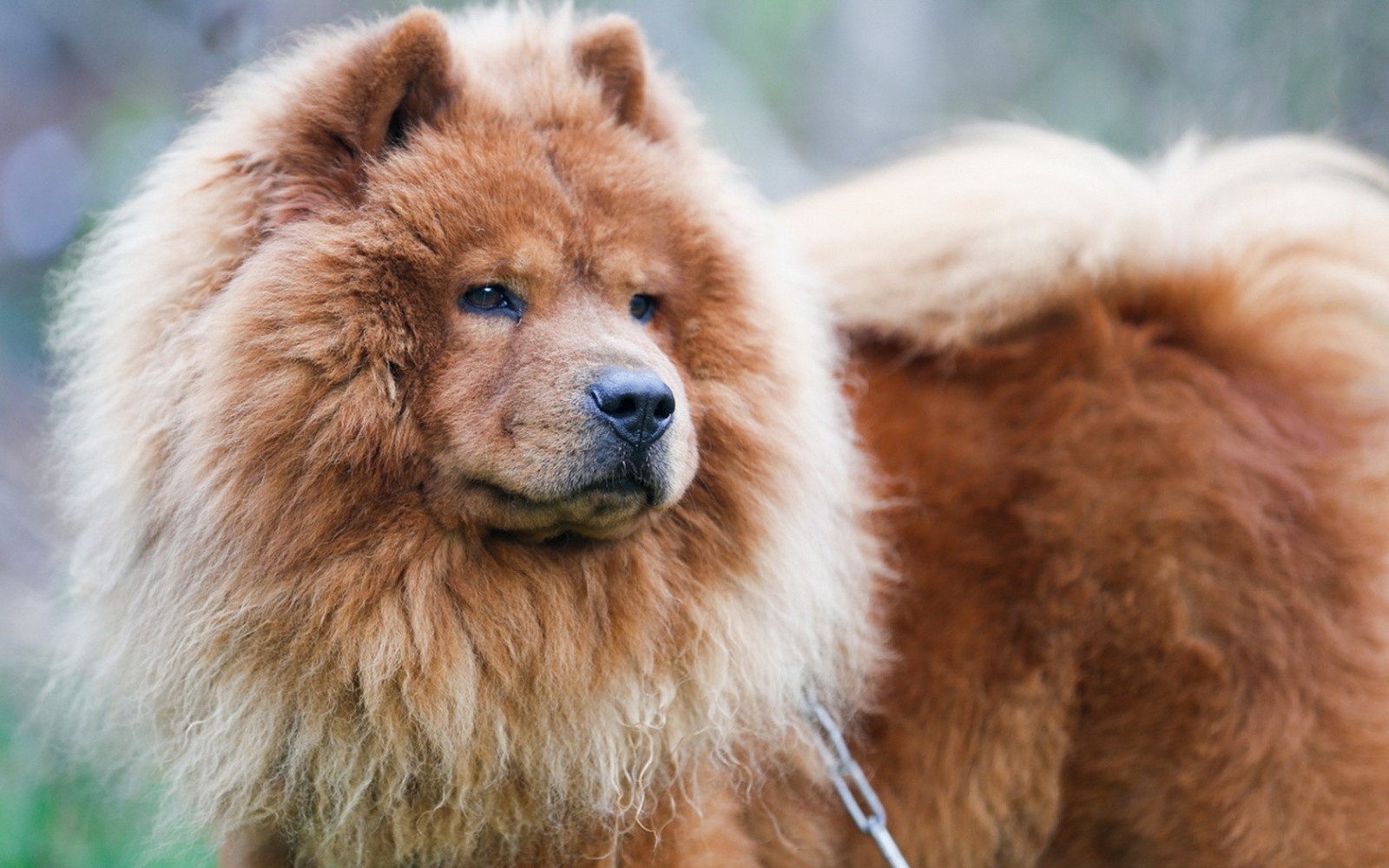
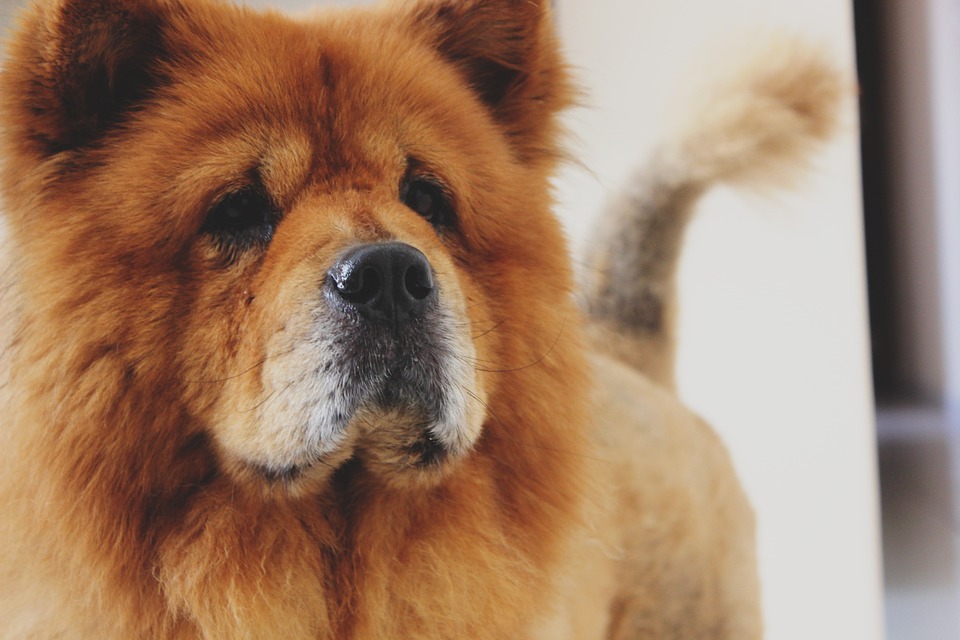
The Chow Chow is a sturdily built, square-proportioned dog with two coat varieties, both equally majestic.
- Height:
- Males: 19–22 inches (48–56 cm)
- Females: 18–20 inches (46–51 cm)
- Weight:
- Males: 55–71 lbs (25–32 kg)
- Females: 44–60 lbs (20–27 kg)
- Coat Types:
- Rough: Abundant, off-standing outer coat with thick ruff—most common
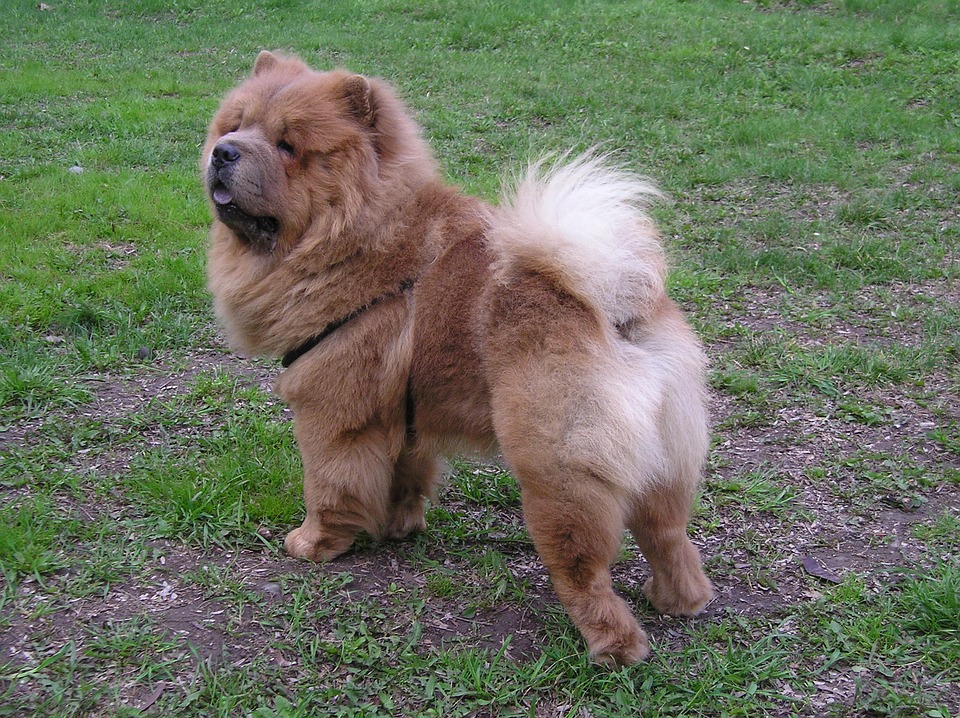
- Smooth: Short, dense, and hard—but equally plush
- Colors:
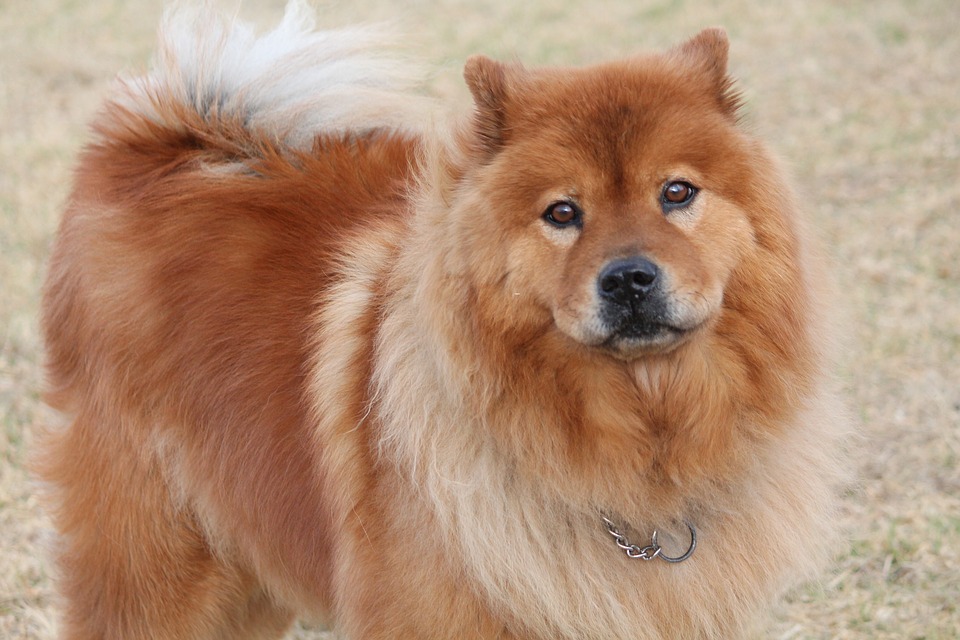
- Red (most iconic)
- Black, blue, cinnamon, cream
- All must have solid color; no markings or sabling
- Build: Compact, muscular, with a level topline and stilted gait (hind legs straight, like a bear)
- Head: Broad, flat skull, deep-set eyes, and a scowling expression
- Eyes: Small, almond-shaped, dark brown—never light
- Tongue: Blue-black—present by 8 weeks; pink spots are a serious fault
Comparison: Unlike the Samoyed (smiling, white, and social) or Akita (larger, more protective), the Chow Chow is aloof, clean, and minimally expressive.
Temperament & Personality
The Chow Chow is dignified, independent, and quietly loyal—not a “people-pleaser” in the traditional sense.
- Loyalty: Devoted to its family but bonds selectively—often with one person
- Aloofness: Reserved with strangers; not inherently aggressive, but not welcoming
- Cleanliness: Fastidiously clean—grooms like a cat, rarely has doggy odor
- Trainability: Intelligent but stubborn; responds to calm, consistent leadership—not bribes or force
- Guarding instinct: Naturally watchful; will alert to intruders but rarely barks excessively
Myth debunked: Chows are not “naturally aggressive”—but they do not tolerate rough handling or inconsistency. Poor socialization or harsh training can trigger defensiveness.
Compared to the Akita, the Chow is less dominant but equally independent; compared to the Pomeranian, it’s far less vocal and more reserved.
Care Requirements
Exercise
Needs only 30–45 minutes of daily exercise:
- Short walks, backyard time, or quiet play
- Not high-energy—enjoys lounging indoors
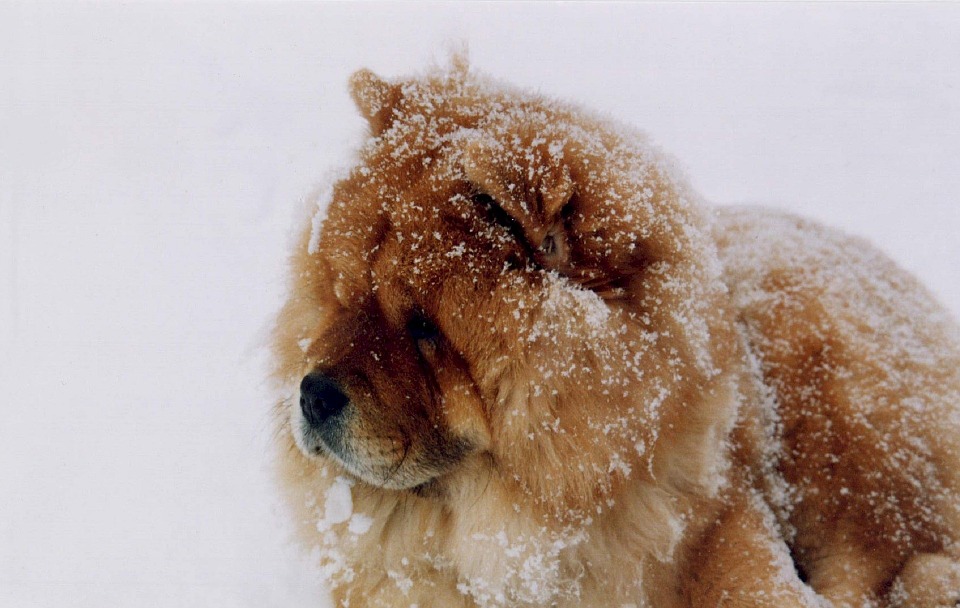
- Avoid overheating—thick coat limits heat tolerance
Over-exercising, especially in youth, can stress joints.
Grooming
High maintenance, especially for rough-coated Chows:
- Heavy seasonal shedder (“blows coat” twice a year—expect massive fur drifts)
- Brush 3–4 times weekly (daily during shedding peaks)
- Bathe every 6–8 weeks; use conditioner to prevent matting
- Clean facial wrinkles and ears weekly
- Never shave—coat insulates against heat and cold
Tip: A slicker brush and undercoat rake are essential during blowout season.
Diet
High-quality, moderate-protein diet with joint support. Monitor calories—Chows gain weight easily. Some are prone to food sensitivities; limited-ingredient diets may help.
Environment
Best in temperate or cool climates; provide AC and hydration in heat. Adaptable to apartments if exercised. Not ideal for hot, humid regions.
Health & Lifespan
Average lifespan: 8–12 years (AKC, OFA)—shorter than many medium breeds due to genetic load.
Condition | Description | Prevalence | Symptoms / Notes |
|---|---|---|---|
Eyelid rolls inward, irritating cornea | High risk (AKC data) | Squinting, tearing; often requires surgery | |
Malformed hip joint | Moderate risk (OFA: ~15% affected) | Lameness, stiffness; screen breeding stock | |
Joint malformation | Moderate | Front-leg lameness | |
Twisted stomach | Possible (deep-chested) | Retching without vomiting—emergency | |
Underactive thyroid | Common | Weight gain, lethargy; manageable | |
Allergies / Dermatitis | Skin sensitivities | Frequent | Itching, ear infections; often diet-related |
OFA data shows Chows rank among the top breeds for entropion—ethical breeders must screen eyes.
Reliable data on cancer or heart issues is limited, though annual vet checks are critical.
Training & Socialization
The Chow Chow must be socialized early (8–16 weeks):
- Expose to people, dogs, sounds, and handling
- Use positive reinforcement with quiet consistency
- Focus on manners, leash walking, and calm behavior
- Never use punishment—this breed withdraws or becomes defensive
Warning: An unsocialized Chow can become fear-aggressive or overly territorial.
Compared to the Golden Retriever, the Chow is far less biddable—but with patience, it can learn obedience, tricks, and even therapy work.
Suitability: Ideal Owner Profile
The Chow Chow thrives with:
- Experienced, calm owners who respect independence
- Quiet, structured households (singles, couples, seniors)
- Cool-climate homes with moderate exercise access
- Owners who value dignity, cleanliness, and quiet loyalty
Not recommended for:
- First-time dog owners
- Families with young children (due to sensitivity to rough play)
- Hot, humid climates without AC
- Homes seeking a playful, affectionate “velcro” dog
Perfect for: Urban dwellers wanting a clean, quiet, cat-like companion with regal presence.
Costs & Commitment
- Adoption: Available via breed rescues ($300–$700)
- Reputable breeder: $1,200–$2,500 (health-tested, AKC-registered)
- Monthly expenses: $70–$120 (food, grooming, preventatives)
- Special costs: Professional grooming, eye surgeries, cooling mats
Lifetime cost estimate: $18,000–$26,000 over 10 years
Ethical Adoption vs. Breeder Guidance
Choose breeders who:
- Perform OFA hip/elbow, eye (CERF), and thyroid clearances
- Raise puppies in-home with early socialization
- Belong to the Chow Chow Club of America (CCCA)
- Do not overemphasize “rare colors” (all standard colors are equal)
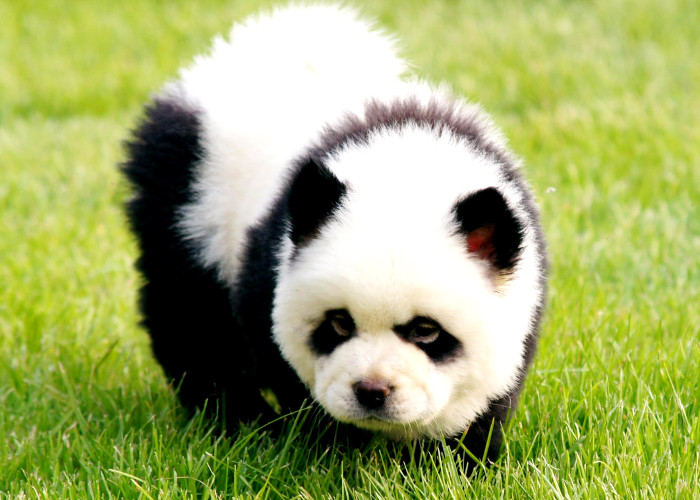
Avoid breeders selling “teacup Chows” or puppies with pink tongues—signs of impurity or poor health.
FAQs
1. Is the Chow Chow a medium or large dog?
It’s a medium to large breed, typically 18–22 inches tall and 44–71 lbs.
2. Are Chow Chows good with kids?
With older, respectful children—yes. Not suited for toddlers due to sensitivity.
3. Do Chow Chows shed a lot?
Yes—heavily twice a year; weekly brushing required.
4. Why does the Chow Chow have a blue tongue?
Genetic trait shared only with the Chinese Shar-Pei; appears by 8 weeks.
5. Are Chow Chows aggressive?
Not when properly bred and socialized—but they are reserved and intolerant of roughness.
6. Chow Chow vs. Akita: what’s the difference?
Chow is smaller, cleaner, and more aloof; Akita is giant, more protective, and dominant.
7. Can Chow Chows live in apartments?
Yes—they’re low-energy and quiet, ideal for urban living.
8. How much grooming does a Chow Chow need?
High maintenance—3–4 brushings weekly, more during shedding season.
Final Verdict: Is the Chow Chow Right for You?
Yes, if…
- You want a clean, quiet, dignified companion with ancient roots
- You respect independence and don’t need constant affection
- You live in a cool climate with a structured home
- You’re an experienced owner who values loyalty over obedience
No, if…
- You seek a playful, cuddly, or highly trainable dog
- You have young children or live in extreme heat
- You’re a first-time owner unprepared for shedding and aloofness
- You use punishment-based training
The Chow Chow isn’t just a pet—it’s a silent guardian of imperial legacy, offering unwavering loyalty to those who earn its quiet trust.