
Border Collie: Complete Guide to Temperament, Health, Care & History
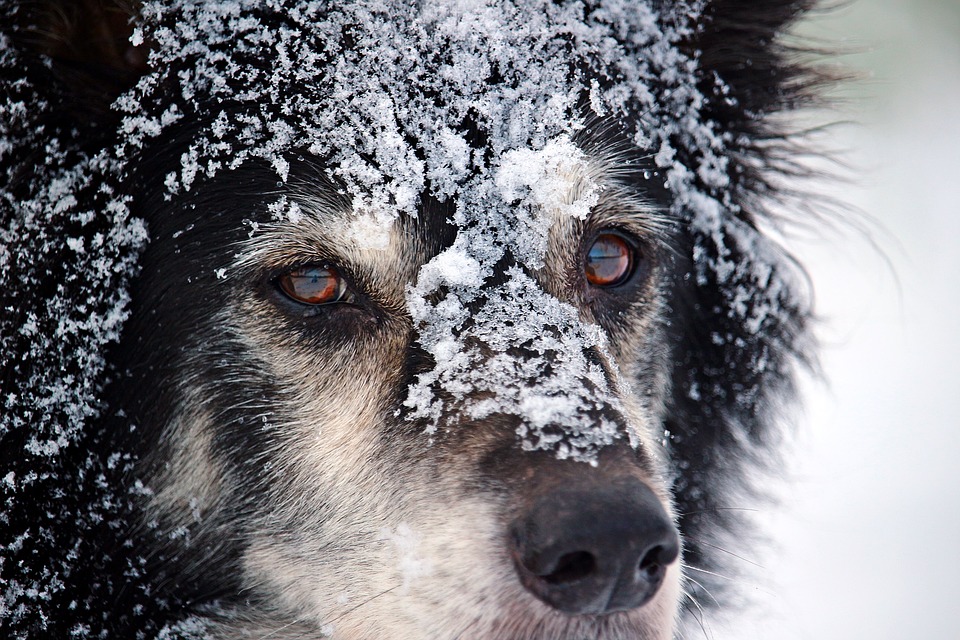
With an intense gaze, boundless energy, and mind that never stops working, the Border Collie isn’t just a dog—it’s a canine genius. Originally bred on the Anglo-Scottish border to herd sheep with silent precision, this medium-sized herding dog has been ranked by scientists, trainers, and owners alike as the most intelligent dog breed in the world.
But intelligence without outlet becomes anxiety. The Border Collie doesn’t just want a job—it needs one. Without mental and physical stimulation, it may develop obsessive behaviors, destructiveness, or neurotic pacing. Yet for those who can meet its demands, the Border Collie offers unmatched loyalty, trainability, and partnership—whether on a farm, in agility rings, or as a devoted family companion.
Often mistaken for a “hyperactive pet,” the true Border Collie is a focused, sensitive, and deeply driven worker whose brilliance must be channeled, not suppressed.
In this comprehensive, rigorously researched guide, you’ll learn everything about the Border Collie: its borderland origins, distinctive “eye”, cognitive intensity, common health conditions, exercise and mental needs, and whether your lifestyle can support this extraordinary breed. We’ll also compare it to similar herders like the Australian Shepherd, Kelpie, and Bearded Collie to clarify its unique place among working dogs.
All information is verified through the American Kennel Club (AKC), International Sheep Dog Society (ISDS), Orthopedic Foundation for Animals (OFA), and veterinary behavioral research.
Origin & History
The Border Collie originated in the rugged hills of the Anglo-Scottish border in the 18th–19th centuries, where shepherds needed a dog that could work independently over vast terrain. Unlike other herding dogs that bark or nip, the Border Collie developed the “eye”—a hypnotic stare used to control sheep through silent pressure.
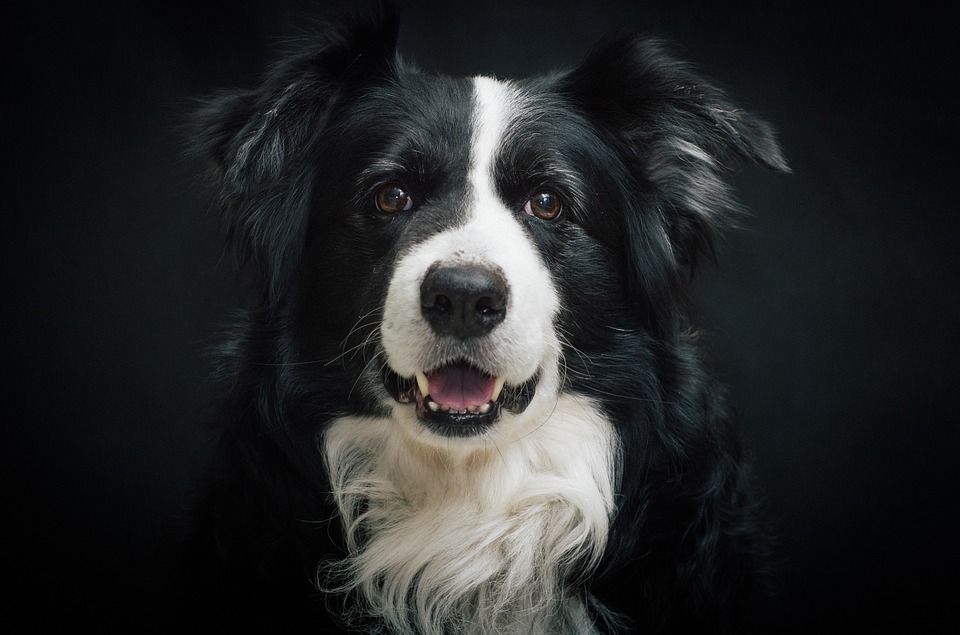
The breed traces back to a single foundation dog: Old Hemp, born in 1893 in Northumberland, England. His quiet intensity, intelligence, and natural herding style became the blueprint for all modern Border Collies. The International Sheep Dog Society (ISDS) maintains a working-line registry based on performance, not appearance.
While the AKC recognized the breed in 1995, many working-line enthusiasts avoid conformation shows, prioritizing herding instinct over looks.
Key distinction: There are two types:
- Working-line (ISDS): Leaner, higher drive, bred for herding
- Show-line (AKC): Stockier, calmer, bred for conformation
Physical Characteristics
The Border Collie is a medium-sized, athletic, and agile dog built for endurance and quick turns.
- Height:
- Males: 19–22 inches (48–56 cm)
- Females: 18–21 inches (46–53 cm)
- Weight:
- Males: 30–45 lbs (14–20 kg)
- Females: 27–42 lbs (12–19 kg)
- Coat: Two varieties—
- Rough: Medium-length, weather-resistant outer coat with soft undercoat
- Smooth: Short, dense, and flat-lying
- Colors:
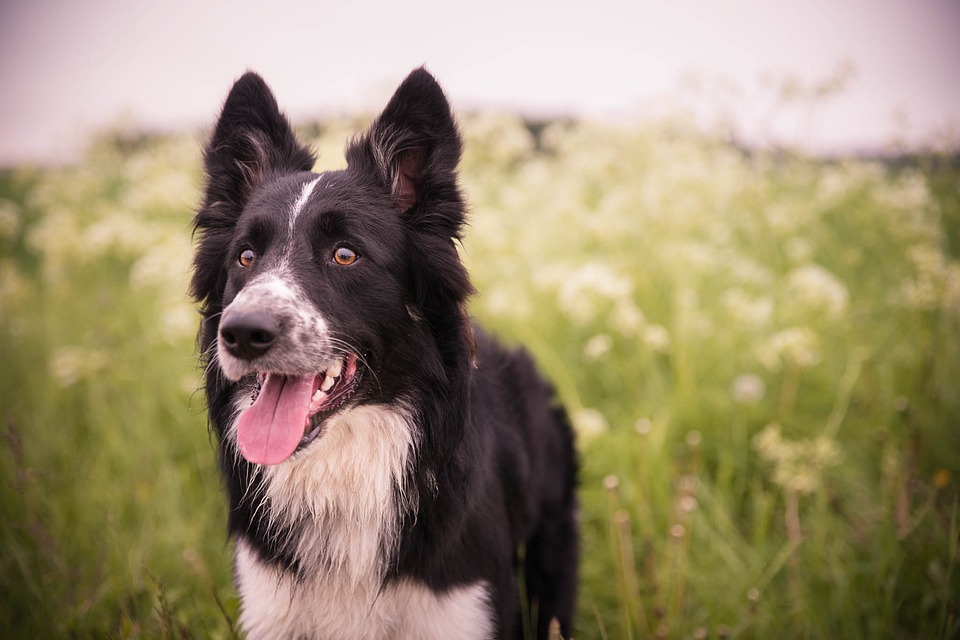
- Black and white (most iconic)
- Red and white, tricolor, sable, blue merle, solid black
- Note: All colors accepted; no disqualifications
- Build: Slightly longer than tall, deep chest, strong bone, and level topline
- Eyes: Oval, medium-sized, brown, blue, or heterochromatic—intensely focused
- Tail: Medium length, carried low with a slight curve at rest
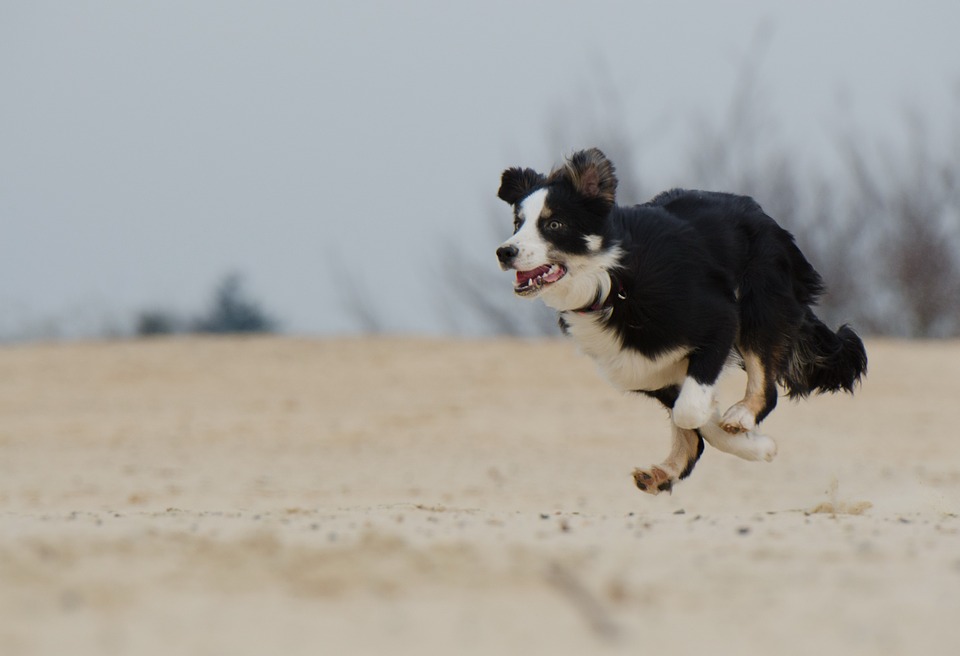
Its movement is effortless, ground-covering, and agile—ideal for sudden stops and turns.
Comparison: More intense and driven than the Australian Shepherd, and less fluffy than the Bearded Collie.
Temperament & Personality
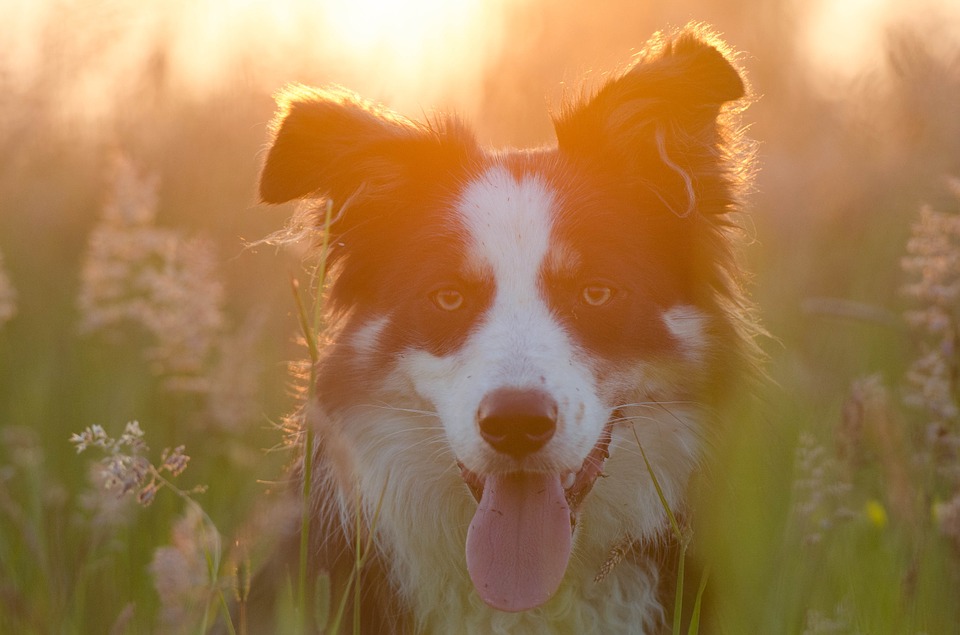
The Border Collie is intelligent, driven, and deeply attuned to its handler—but not inherently “friendly” or “easy.”
- Intelligence: Capable of learning 1,000+ words (as demonstrated by “Chaser,” the famous research dog)
- Work Ethic: Needs a job—herding, agility, flyball, or advanced obedience
- Sensitivity: Highly responsive to tone and body language; harsh methods cause shutdown
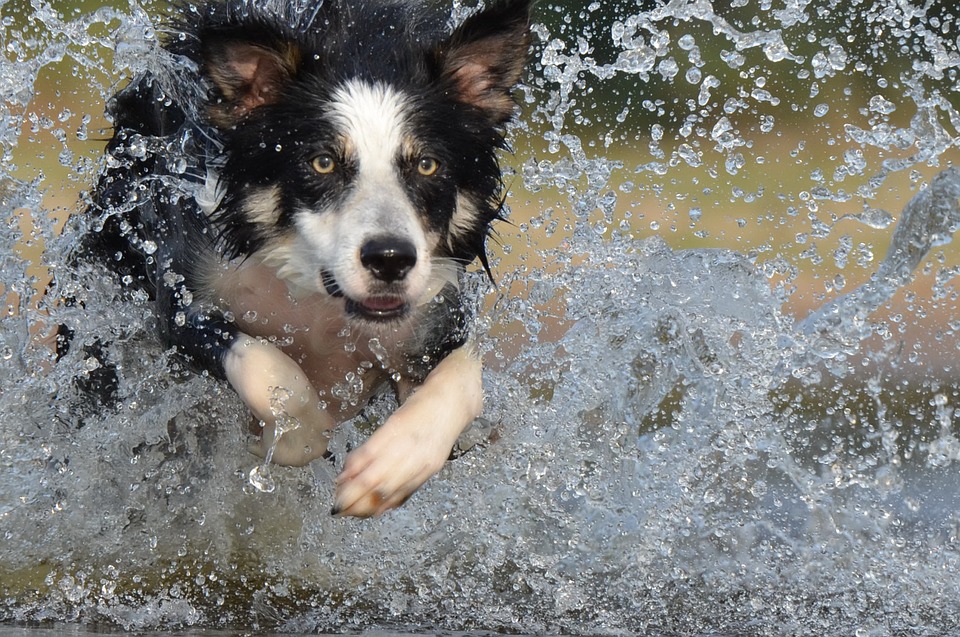
- Energy Level: Extremely high—requires both physical and mental exertion daily
- Loyalty: Bonds intensely with its person; often shadows them constantly
- Social Needs: Good with respectful children; may herd running kids or pets
Myth debunked: Border Collies are not “good for first-time owners”—their intelligence and drive require experienced guidance.
Compared to the Australian Shepherd, the Border Collie is more intense and less adaptable to casual homes.
Care Requirements
Exercise
Needs 90–120 minutes of vigorous daily exercise, including:
- Running, hiking, biking, or off-leash play in secure areas
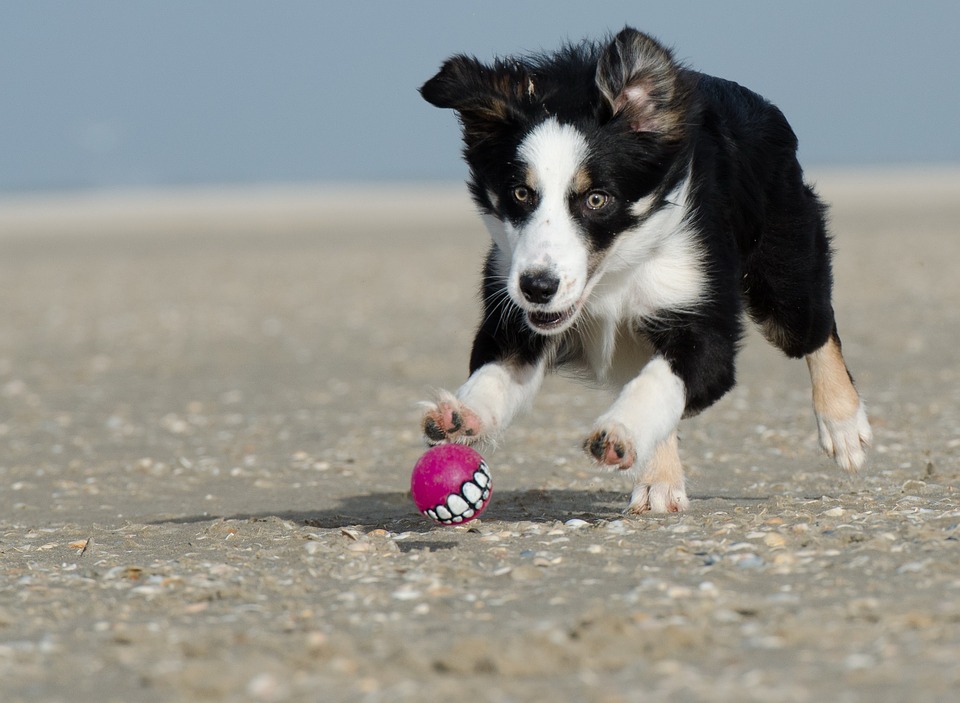
- Mental work: Herding trials, agility, trick training, puzzle toys, scent games
- Never satisfied with walks alone—must have a “job”
Without sufficient outlet, may develop obsessive circling, shadow-chasing, or destructive chewing.
Grooming
- Moderate shedding year-round; “blows coat” twice a year
- Brush 2–3 times weekly (daily during shedding peaks)
- Bathe only as needed (2–4 times/year)
- Trim nails regularly; clean ears weekly
Tip: A slicker brush and undercoat rake manage shedding effectively.
Diet
High-quality, moderate-protein diet with omega fatty acids. Avoid overfeeding—lean build hides fat easily. Some are prone to food sensitivities.
Environment
Best in active households with access to open space. Not ideal for apartments unless heavily exercised. Thrives in cool climates; provide hydration in heat.
Health & Lifespan
Average lifespan: 12–15 years (AKC, OFA)—longer than many purebreds due to working-line vigor.
Condition | Description | Prevalence | Symptoms / Notes |
|---|---|---|---|
Collie Eye Anomaly (CEA) | Congenital eye defect | High risk (DNA test available) | Vision impairment; screen breeding stock |
Malformed hip joint | Moderate (OFA: ~12% affected) | Lameness; screen breeding stock | |
Epilepsy | Seizure disorder | Moderate | Sudden seizures; manageable with medication |
Trapped Neutrophil Syndrome (TNS) | Fatal immune disorder | Rare but serious | Weakness, infection; DNA test available |
Iris Coloboma | Hole in iris | Occasional | Light sensitivity; usually benign |
Reputable breeders test for CEA, TNS, and hips—never buy from those who skip screening.
Reliable data on cancer or heart issues is low in ethical lines.
Training & Socialization
The Border Collie is highly trainable but emotionally sensitive.
- Start socialization before 14 weeks: expose to people, sounds, surfaces
- Use positive reinforcement with high-value rewards (chicken, cheese)
- Focus on impulse control, recall, and calm behavior
- Never use punishment—this breed shuts down or becomes anxious
Warning: An under-stimulated Border Collie can become neurotic or obsessive—not aggressive, but mentally unwell.
Compared to the Kelpie, the Border Collie is more biddable and less independent.
Suitability: Ideal Owner Profile
The Border Collie thrives with:
- Experienced dog owners familiar with high-drive breeds
- Active households that provide daily mental and physical challenges
- Farms, sports competitors, or structured families
- Owners who enjoy training, problem-solving, and canine partnership
Not recommended for:
- First-time dog owners
- Sedentary or frequently absent households
- Homes seeking a “casual” or low-maintenance pet
- Anyone unprepared for intense exercise and mental needs
Perfect for: Agility handlers, shepherds, or active singles/couples wanting a brilliant, loyal partner.
Costs & Commitment
- Adoption: Common via Border Collie rescues ($200–$500)
- Reputable breeder: $1,500–$2,500 (health-tested, ISDS or AKC lines)
- Monthly expenses: $70–$120 (food, grooming, training)
- Special costs: Agility equipment, herding lessons, professional training
Lifetime cost estimate: $18,000–$25,000 over 13 years
Ethical Adoption vs. Breeder Guidance
Choose breeders who:
- Perform DNA tests for CEA and TNS
- Provide OFA hip clearances
- Raise puppies with early socialization and exposure to livestock (if working line)
- Belong to the Border Collie Society of America (BCSA) or ISDS
Avoid breeders selling “mini” or “teacup” Border Collies—they don’t exist.
FAQs
1. Is the Border Collie a medium dog?
Yes—the Border Collie is a medium-sized breed, typically 18–22 inches tall and 27–45 lbs.
2. Are Border Collies good with kids?
With older, calm children—yes. May try to herd running toddlers.
3. Do Border Collies shed a lot?
Moderately—weekly brushing manages it; more during seasonal “blowouts.”
4. Border Collie vs. Australian Shepherd: what’s the difference?
Border Collie is more intense, driven, and sensitive; Aussie is more adaptable and people-oriented.
5. How smart is a Border Collie?
Ranked #1 in intelligence—can learn new commands in under 5 repetitions.
6. Are Border Collies hypoallergenic?
No—they shed moderately and produce dander.
7. Can Border Collies live in apartments?
Only with rigorous daily exercise and mental work—not ideal.
8. What happens if a Border Collie gets bored?
May develop obsessive behaviors like tail-chasing, pacing, or destruction.
Final Verdict: Is the Border Collie Right for You?
Yes, if…
- You want a medium, brilliant, driven partner for work or sport
- You can provide daily mental and physical challenges
- You value intelligence, loyalty, and deep connection
- You’re prepared for lifelong training and stimulation
No, if…
- You seek a relaxed, low-energy, or casual pet
- You’re a first-time owner unprepared for intensity
- You can’t commit to daily exercise and brainwork
- You dislike dogs that “read your mind”
The Border Collie isn’t just a dog—it’s a thinking partner, offering unmatched brilliance and devotion to those who earn its focus.
Want to learn more?
Discover: How Border Collies are revolutionizing canine cognitive science—and what their minds reveal about animal consciousness.