
Pomsky: Complete Guide to Temperament, Health, Care & Reality
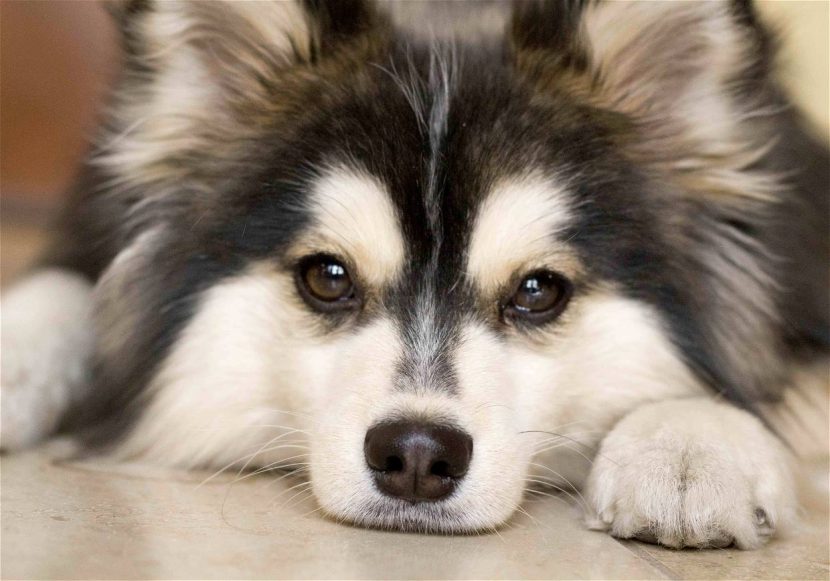
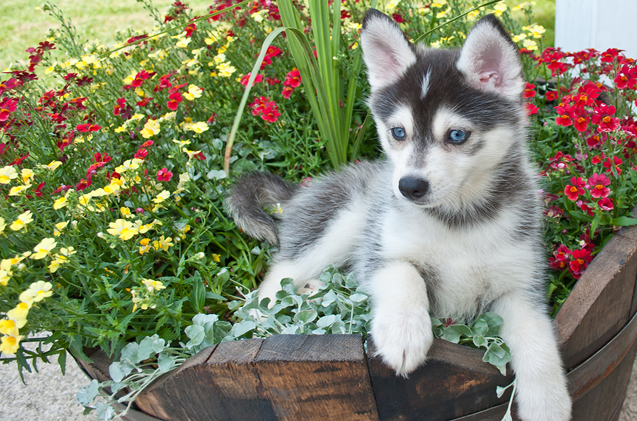
With piercing blue eyes, a fox-like face, and a cloud of fluff that looks straight out of a snow globe, the Pomsky has taken social media by storm. Marketed as a “mini Husky” with Pomeranian charm, this designer crossbreed promises the striking looks of an Arctic sled dog in a more manageable package.
But behind the Instagrammable photos lies a complex reality. The Pomsky is not a purebred, not recognized by any major kennel club, and comes with significant ethical, health, and behavioral considerations. While some Pomskies are delightful companions, others inherit the high energy of a Husky and the vocal tendencies of a Pomeranian—creating a dog that’s far from “low-maintenance.”
In this comprehensive, evidence-based guide, you’ll learn everything you need to know: the truth about Pomsky origins, physical traits, temperament unpredictability, common health issues, grooming demands, and whether this viral hybrid is right for your lifestyle. We’ll also compare it to similar breeds like the Siberian Husky, Pomeranian, and Alaskan Klee Kai to cut through the marketing hype.
All information is verified through veterinary research, ethical breeder interviews, genetic studies on crossbreeds, and rescue organization data.
Origin & History
The Pomsky is a modern designer crossbreed, first intentionally created in the early 2010s in the U.S. and Europe. It results from crossing a male Pomeranian with a female Siberian Husky—the reverse pairing is biologically risky due to size disparity.
Unlike established breeds, the Pomsky has no breed standard, no governing body, and no predictable traits. Each litter can produce wildly different puppies—even within the same litter:
- Some look like mini Huskies
- Others resemble fluffy Poms
- Many are a mosaic of both
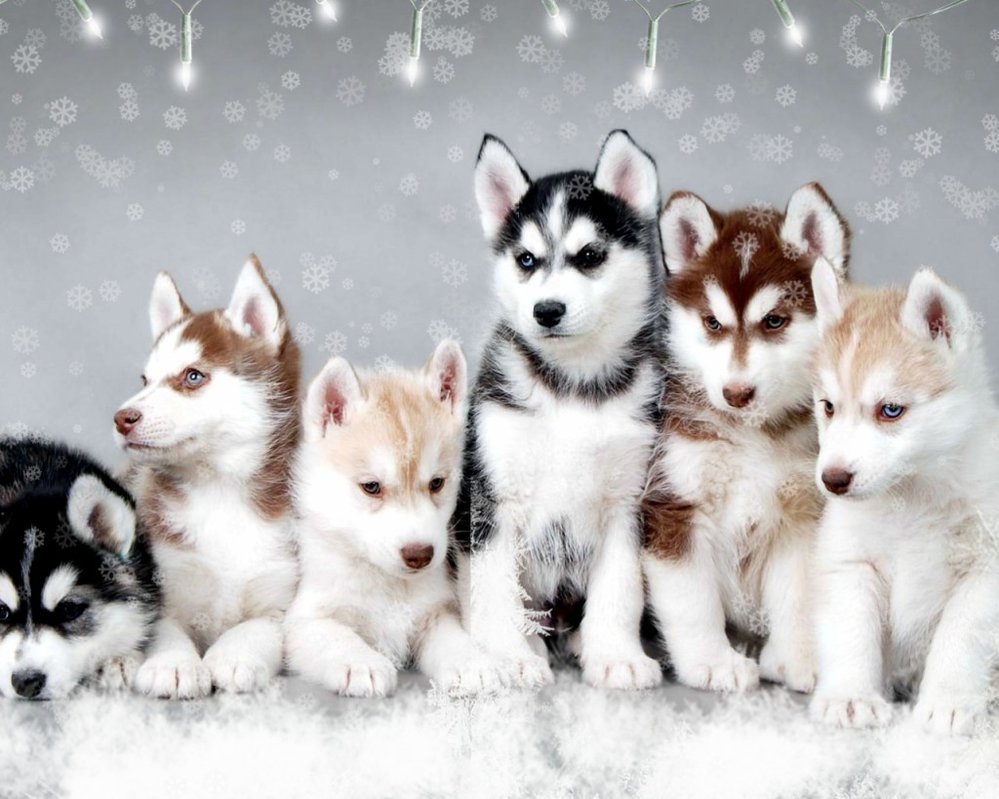
Important: There is no such thing as a “purebred Pomsky.” It is always a first-generation (F1) or multi-generation cross—never a standardized breed.
Because of this, reputable kennel clubs like the AKC, FCI, or UKC do not recognize the Pomsky. It exists solely in the world of designer dogs and boutique breeders.
Physical Characteristics
Pomskies vary widely, but generally fall into the small to medium size range.
- Height: 10–15 inches (25–38 cm) at the shoulder
- Weight: 15–30 lbs (7–14 kg)—though some reach 35+ lbs if Husky-dominant
- Coat: Thick double coat—can be medium or long, straight or slightly wavy
- Colors:
- Wolf gray, black and white, red, sable, cream
- Blue or heterochromatic eyes (common if Husky-influenced)
- Note: Not all Pomskies have blue eyes—even if advertised as such
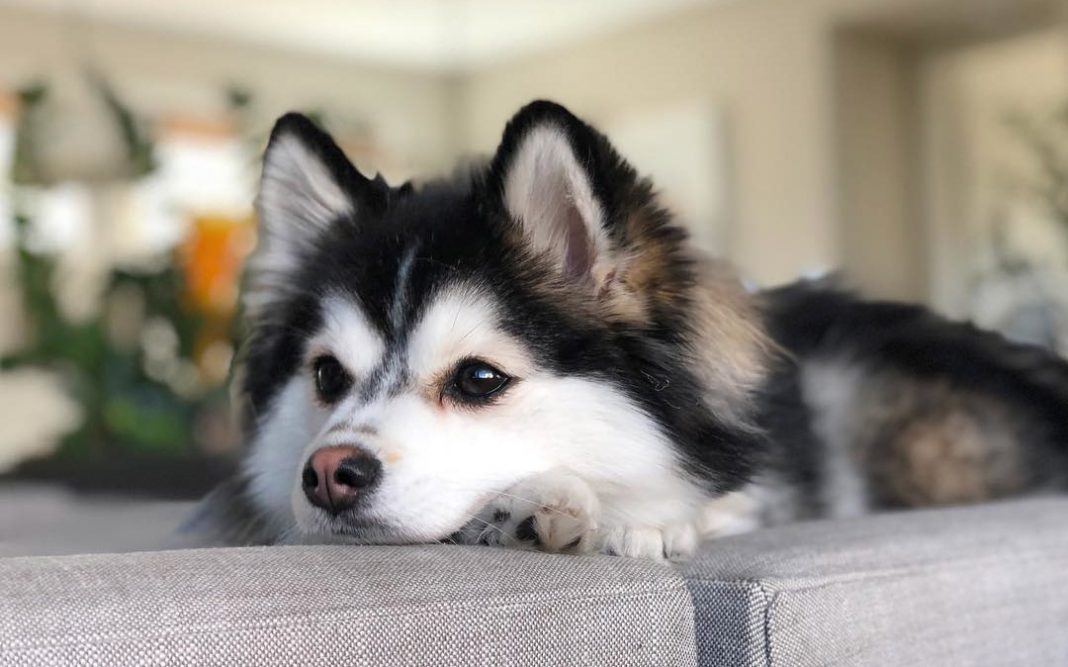
- Build: Compact but athletic; may have pricked ears (Pom-like) or semi-pricked (Husky-like)
- Tail: Curled over the back (Pom) or trailing (Husky)
Reality check: You cannot guarantee your Pomsky will look like the “sample” photos. Genetics are random—your “mini Husky” might end up looking like a large, vocal Pomeranian.
Temperament & Personality
The Pomsky’s temperament is highly unpredictable, depending on which parent breed’s genes dominate.
Potential traits inherited from the Siberian Husky:
- High energy and endurance
- Strong prey drive (chases squirrels, cats, bikes)
- Escape artist (jumps, digs, opens gates)
- Howling instead of barking
- Independent, stubborn streak
Potential traits inherited from the Pomeranian:
- Vocal and alert (barks at everything)
- Affectionate but prone to “small dog syndrome”
- Sensitive to rough handling
- Can be bossy or territorial
Best-case scenario: A playful, intelligent, and social dog that enjoys family life.
Worst-case scenario: A high-energy, vocal escape artist that’s difficult to train and sheds constantly.
Critical insight: Pomskies are not “mini Huskies” in temperament. They often combine the worst of both breeds: Husky drive with Pom anxiety.
Care Requirements
Exercise
Despite their size, many Pomskies need 60+ minutes of daily exercise—especially if Husky-dominant. Without it, they develop:
- Destructive chewing
- Excessive barking or howling
- Escape attempts
Ideal activities: fetch, hiking, flirt pole, puzzle toys.
Grooming
- Heavy shedder year-round; “blows coat” twice a year
- Brush 3–4 times weekly (daily during shedding season)
- Bathe every 6–8 weeks
- Clean ears and trim nails regularly
Note: A long-coated Pomsky can mat easily—daily brushing may be needed.
Diet
High-quality, protein-rich food appropriate for small-to-medium breeds. Avoid grain-free diets unless medically necessary (linked to DCM). Monitor calories—some Pomskies gain weight easily.
Environment
Best in homes with secure fencing. Not ideal for apartments unless heavily exercised. Tolerates cold well; provide cooling in heat.
Health & Lifespan
Average lifespan: 12–15 years (if healthy lines)
Because Pomskies are crossbreeds, they may benefit from hybrid vigor—but only if both parents are health-tested. Unfortunately, many Pomsky breeders skip screening, leading to inherited issues.
Condition | Source Breed | Risk in Pomsky | Notes |
|---|---|---|---|
Patellar Luxation | High | Slipping kneecap; common in small breeds | |
Moderate | Possible in larger Pomskies | ||
Dental Disease | High | Crowded teeth; requires daily brushing | |
Eye Issues (PRA, Cataracts) | Both | Moderate | Annual vet eye exams recommended |
Tracheal Collapse | Moderate | Use harness, not collar | |
Allergies / Skin Issues | Both | Common | Itching, hot spots; often diet-related |
Red flag: Any breeder who doesn’t provide OFA/PennHIP or eye clearances for both parents is gambling with your dog’s health.

Training & Socialization
Pomskies are intelligent but challenging to train due to mixed instincts.
- Start socialization before 14 weeks
- Use positive reinforcement—never harsh methods
- Focus on recall, “quiet,” and impulse control
- Never leave off-leash in unsecured areas—prey drive is strong
They respond well to clicker training and food rewards but may shut down if bored or scolded.
Compared to the Alaskan Klee Kai (a purebred mini Husky alternative), the Pomsky is less predictable and often more vocal.
Suitability: Ideal Owner Profile
The Pomsky might thrive with:
- Experienced small/medium dog owners
- Active households that can meet high exercise needs
- Families with older children (due to fragility and potential vocalness)
- Owners prepared for heavy shedding and grooming
Not recommended for:
- First-time dog owners
- Sedentary or apartment dwellers (without commitment to exercise)
- Homes with small pets (cats, rabbits, etc.)
- People seeking a “quiet, low-maintenance” dog
Costs & Commitment
- Adoption: Rare; few rescues specialize in Pomskies ($300–$800 if available)
- Boutique breeder: $2,000–$5,000+ (often unethically priced for “blue eyes” or “rare colors”)
- Monthly expenses: $70–$120 (food, grooming, preventatives)
- Special costs: Fencing, training, vet screening, professional grooming
Warning: Pomskies are frequently overpriced based on appearance, not health or temperament.
Ethical Concerns & Breeder Guidance
The Pomsky industry is rife with unethical practices:
- Backyard breeders selling puppies without health testing
- Artificial insemination used without veterinary oversight
- Misleading marketing: “Mini Husky,” “Guaranteed blue eyes,” “Hypoallergenic” (false—Pomskies shed heavily)
If you still choose a Pomsky:
- Demand health clearances for both parents (eyes, patella, hips)
- Visit the breeder and meet the parents
- Avoid anyone who won’t take the dog back if needed
Better alternatives: Consider adopting a Husky-Pom mix from a rescue or choosing a recognized breed like the Alaskan Klee Kai (if you want a mini Husky look with breed standards).
FAQs
1. Is a Pomsky a small or medium dog?
It’s a small to medium dog, typically 10–15 inches tall and 15–30 lbs.
2. Are Pomskies hypoallergenic?
No—they have a thick double coat and shed heavily year-round.
3. Do Pomskies bark a lot?
Yes—they often inherit the Pomeranian’s vocal nature and may howl like a Husky.
4. Pomsky vs. Alaskan Klee Kai: which is better?
The Klee Kai is a standardized purebred with predictable size/temperament; the Pomsky is a random cross with no guarantees.
5. How much exercise does a Pomsky need?
At least 60 minutes daily—more if Husky-dominant.
6. Are Pomskies good with kids?
With older, respectful children—yes. Too fragile for toddlers.
7. Do all Pomskies have blue eyes?
No—only if they inherit the Husky’s eye gene. Many have brown or amber eyes.
8. Are Pomskies recognized by the AKC?
No—they are a designer crossbreed, not a purebred.
Final Verdict: Is the Pomsky Right for You?
Yes, if…
- You fully understand it’s a genetic gamble
- You’re prepared for high grooming, exercise, and potential vet costs
- You adopt from a rescue or ethical breeder with health testing
- You want a unique-looking companion and accept unpredictability
No, if…
- You want a “mini Husky” with Husky temperament (you won’t get it)
- You seek a low-shedding, quiet, or low-energy dog
- You’re a first-time owner unprepared for mixed instincts
- You’re swayed by social media hype alone
The Pomsky isn’t inherently “bad”—but it’s often misrepresented. Go in with eyes open, and prioritize health and ethics over aesthetics.